2 minutes ago
Reciprocity between tensions, The Guardian: What happened between Kosovo and Serbia
Periskopi(5 years ago)
(5 years ago)At an abandoned gas station, half a mile from Kosovo's Jarinje border crossing with Serbia, a Serbian flag was placed on the roof. A group of young people sat in overturned beer crates, distributing bottles of water and house brandy in small plastic glasses. That is how it describes the situation of the last days [...]
The mountain road next to them, surrounded by both sides by protesters around the tents and raging fires of the camp, was well blocked by heavily loaded trucks.
As it points to the cause of tensions at border crossings with Serbia, the British newspaper writes that “scans near the village of Jarinje may seem mysterious to the vast world”.
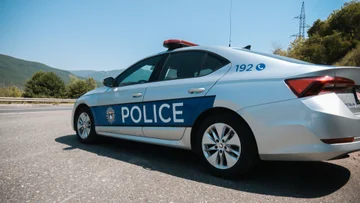
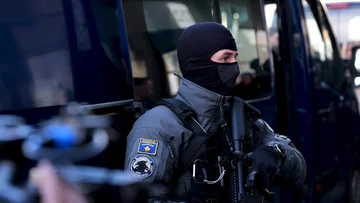
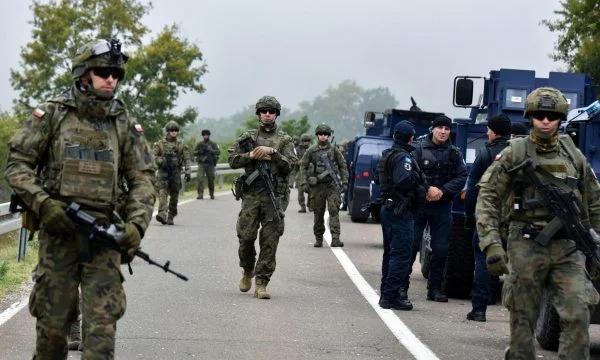
The impasse at two border crossings by Serbs in Kosovo had the Kosovo government send special police forces to keep the borders open. This was seen in Belgrade as a sufficient provocation for the deployment of fighter aircraft and tanks on scenes that echoed enough of the past for international leaders to feel the need to call for calm, writes The Guardian.
Kosovo police reported last weekend that a municipal building involved in issuing vehicle records was burned. A second was attacked with grenades that had failed to explode. NATO-led KFOR, which has had a peacekeeping role in Kosovo since 1999, increased patrols. Serbia's defence minister came to monitor the border, accompanied by Russia's ambassador to Belgrade, an alarming show for many.
The dispute over the plates had escalated dangerously. Life was at stake, it goes on.
For many observers, developments over the past two weeks have highlighted the lack of international leadership on the issue, especially from the EU.
Last week, European Commission President Ursula von der Leenen stressed that the future of the so-called “Western Balkans” Albania, Bosnia and Herzegovina, Kosovo, northern Macedonia, Montenegro and Serbia are in the European Union.
However, like Serbia, China and Russia, five of the 27 EU member states -- Slovakia, Romania, Greece, Cyprus and Spain -- still do not recognise Kosovo, mainly out of fear of encouraging moves for independence within their territories, the British newspaper writes.
France's President Emmanuel Macron has made it clear that given the degradation of rule of law in Poland and Hungary and the weakness of Brussels institutions in response to this threat, the EU priority must be strengthening what they have. It's a “jo” for expansion from Paris”, said Vjosa Musliu, professor of international relations in Brussels. The “given the disorderly attitude towards the region, especially in the past weeks, the EU appears as the most abnormal actor in all this facility. ”
The EU has presented the dialogue between Pristina and Belgrade as purely technical, but it is actually deeply political and requires leadership, Musliu added: “you cannot ignore the large elephant in the room. ”