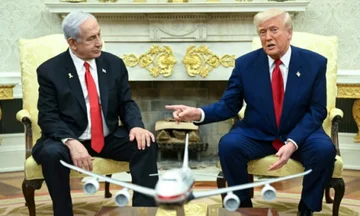
CNN: Netanyahu seeks emergency meeting with Trump amid mounting tensions over negotiations with Iran
 8 minutes ago
 (5 years ago)
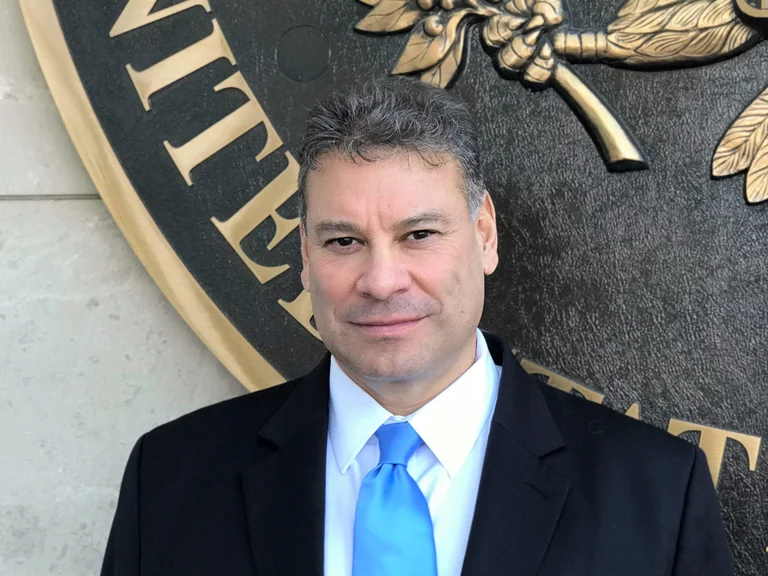
US Assistant Secretary of State for Europe and Eurasia Gabriel Escobar has said that when it comes to Kosovo and Serbia, the approach of the United States is to continue supporting the dialogue mediated by the European Union as a way to find solutions. “Hopefully we will be [...]
US Assistant Secretary of State for Europe and Eurasia Gabriel Escobar has said that when it comes to Kosovo and Serbia, the approach of the United States is to continue supporting the dialogue mediated by the European Union as a way to find solutions.
“Hopefully we can be partners of both governments (Kosovo and Serbia v.j) and support solutions they find together”, Escobar has said. He made these comments during a video address at forum 2 B S (To be Secure) held Friday (October 15th) in Budva, Montenegro.
Speaking to Montenegro, the senior US diplomat said the United States own political and diplomatic mechanisms to counter Russia's intervention in Montenegro's internal affairs.
Asked about the US position on the influence of pro-Serbian and pro-Russian parties in Montenegro, Escobar said a difference should be made between the pro-Serbian and pro-rus question.
“First, I don't see the same issue as pro-Serbian and pro-Russian. Those political forces in Montenegro that are pro-Serbian must accept that Montenegro must be democratic, independent, sovereign and turned to the West and remain as part of NATO. NATO membership and the integration process have made Montenegro an example for the region in the last 20 years, and for those parties that are really trying to undermine these we have many ways to respond. Some of them are sanctions, as well as diplomatic and political isolation”, Escobar said.
One of the questions for the American official was about the charges during the June NATO summit in Brussels, when it was unofficially said that the Alliance should not share all data with Montenegro's new government because of the impact Serbia and Russia have on it.
“There are such fears, and the people of Montenegro should be taken seriously”, Escobar said.
In question whether it is a bad message for the Western Balkans that at the latest European Union summit green light was not given a deadline for membership of these countries, Escobar did not respond specifically.
The dates will be different for different countries, it should not be too far and long waiting, the American official said, adding that the United States in bilateral and multilateral talks is saying Europe must speed up the process of intensifying these countries.
Although he believes that current ethnic tensions in the region have similarities with the 1990s, Escobar expects them to be overcome through renewed EU and US efforts to help the region.
Regions With Multiple Challenges
While Mircea Geoana, deputy NATO secretary-general, said the region could rely on NATO within its Euro-Atlantic aspirations. According to him, difficulties are many, and Russia is becoming more aggressive, especially in the Western Balkans.
Moscow's “Military and hybrid objectives aim to destabilise societies, our institutions and weaken our democratic systems and the trust of our citizens”, the senior official said. NATO.
He said at this forum that China, on the other hand, is using its economic and military power to control key infrastructure in different countries, including those in the region.
No country can fight against all these challenges alone, we can challenge these threats together, and that's exactly what we're doing in NATO”, Geoana said. / REL
36 minutes ago