2 minutes ago
Bugajski: Vuciq, with Russia's support, is trying to realise Milosevic's project
Periskopi(6 years ago)
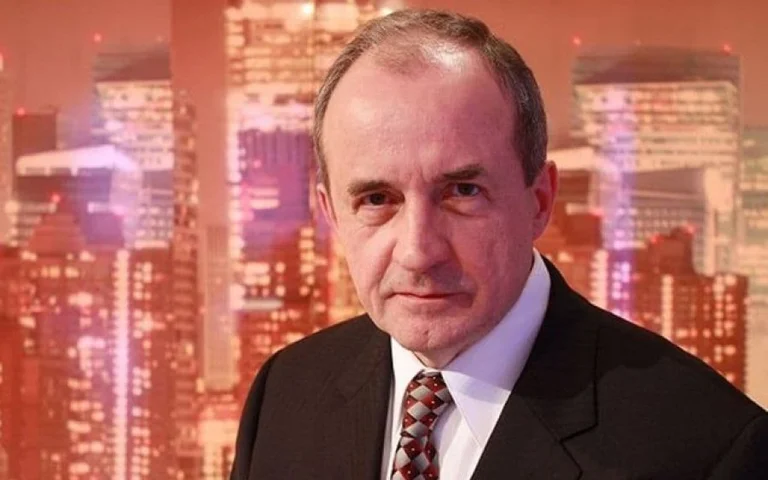
(6 years ago)The renowned American analyst for the Balkans, Janusz Bugajski, has declared to Montenegro's newspaper “Pobjeda” that behind the diplomatic political developments in this country lies Alexander Vuciq and Moscow. According to him, the three main goals are Kosovo, Montenegro and Bosnia and Herzegovina. Vuciqi served as Milosevic's Information Minister and for this [...]
The renowned American analyst for the Balkans, Janusz Bugajski, has declared to Montenegro's newspaper “Pobjeda” that behind the diplomatic political developments in this country lies Alexander Vuciq and Moscow.
According to him, the three main goals are Kosovo, Montenegro and Bosnia and Herzegovina. Vuciqi served as Milosevic's Information Minister, and for that reason he is well aware of dezinformation and fraud to achieve great political goals.
With Serbia's Progressive Party monopolising Serbian politics and the extreme opposition, it has sufficient space to pursue Serbia's mini-peradoxian Balkan ambitions says Bugajski, who in the interview given to Podgorica's main newspaper, which also writes in Cyrillic and Latin, stresses that the new ruling coalition can weaken Montenegro's western orientation, especially if the Democratic Front wins dominance or strong influence in the new government. It is closely linked to Serbian nationalist groups and Russian operatives, as well as supports the “Greater Serbia” project.
According to Bugajski, these political forces will try to strengthen Serbian identity in Montenegro and annul the new law on religious property, these are major steps in the revival of the Greater Serbia project. The old co-worker of the Centre for European Policy Analysis from Washington explains that Vuciqi is returning Balkan instability through double diplomacy and, with the support of the Kremlin, is trying to achieve what Milosevic failed to do.
A New Access
The project of Great Serbia was resurrected under the presidency of Alexander Vuciqi. But unlike the era of Slobodan Milosevic, the project no longer behaves around the open war, ethnic killings, mass expulsions and territorial kidnappings. The campaign now functions through three basic principles of hiding, flexibility, and patience.
Under Milosevic, an expanded Serbia would emerge from disbanded Yugoslavia, spreading to Serb-run territories from neighbouring republics with the murder and expulsion of other ethnic groups to create a Serb majority.
The project failed largely due to resistance by Croats, Bosniaks, Albanians and Montenegrins and international military intervention led by the United States.
“Vuciqi served as Milosevic's minister of information, and for that reason he is familiar with dezinformation and fraud to achieve great political goals. With his Progressive Party, which has monopolized the Serbian political scene and the extreme opposition, Vuciql has enough room to pursue Serbia's mini-perandoric ambitions in the Balkans, Bugajski says.
Manipulation
He explains that Belgrade's strategy behaves around the three main elements -- the weakening of neighbours, dual diplomacy and Russian aid. Serbia is unable to challenge Croatia, which is a member of NATO and the EU, although it still provides weapons from Russia and China in a mini-arm race with its richest northern neighbour.
Croatia has a much smaller and less compact Serb population than during the Yugoslav era and has fewer political and economic weaknesses Belgrade can exploit. The three main goals of the revived project of Greater Serbia are Kosovo, Montenegro and Bosnia and Herzegovina.
Serbia cannot reabsorb Kosovo, because opposition to any form of partition remains. Belgrade's goal is to indefinitely postpone the final solution to bilateral relations and keep Kosovo uncertain of its future.
Poor Kosovo enables Belgrade to increase its regional influence, says renowned American analyst, who writes about prestigious world media.
Destabilisation and Montenegro
It shows that, although Montenegro is a NATO member, Vuciqi's policy has been created to submit sovereignty and subordinate foreign policy.
Serbian “and media officials intervened in Montenegro's recent parliamentary elections in order to promote nationalist opposition. The new ruling coalition could weaken the country's western orientation, especially if the Democratic Front wins dominance or is strong in the new government. It is closely linked to Serbian nationalist groups and Russian operatives and supports the “Greater Serbia “ ” project.
He will try to strengthen Serbian identity in Montenegro and annul the new law on religious property. Bosniak and Albanian leaders will be particularly concerned about the establishment of Serbian chauvinism, which could be directed against their communities, Bugajski says.
He warns that Bosnia and Herzegovina is the third main target of pan-Serbism.
Bugayski: The country remains dysfunctional mainly because of Republika Srpska's autonomous deadlock policy. His leader, Milorad Dodik, repeatedly threatens to secede and create a new Serbian state. The territory is inhabited mainly by Serbs following the genocide of war against Bosnian Muslims. Although Vuciqi is avoiding a campaign to divide and unite Bosnia and RS, it is estimated that the wider regional crisis and conflicts in Bosnia will ensure future secession prospects when the West predicts Bugajski.
Belgrade's hypocritical diplomacy
The second major component of Belgrade's approach is dual diplomacy. Although it claims to aspire to EU membership and closer relations with NATO, Serbia seeks to balance Turkey, China, the United States and the EU. Its goal is to benefit from all, diplomaticly, economically and militarily, imitating Yugoslavia's strategy of not listing Tito with Stalin in 1948. It can also disguise and assist the Serbian project if Belgrade gets support from international actors, Bugajski says.
Russia views Serbia as a tool to undermine the stability of the Western Balkans.
The third factor in which Vuciqi will count to help his Grand Serbia agenda is Russian government assistance. Moscow views Belgrade as a useful tool for minimising stability in the Western Balkans, limiting Western integration and expanding Russian influence.
At one point, however, the Kremlin may try to push Vucic into a direct regional conflict he tried to avoid. Putin could use his even closer alliance with Banja Luka to promote Republika Srpska's secession and speed up the chain of conflict response, which would conquer the EU and NATO.
Instead of a direct confrontation that could provoke Western sanctions, Vucicici prefers to act secretly and manipulate the weaknesses of his neighbours.
Instead of directly attacking the integrity or sovereignty of nearby states, Vuciqi is flexible in reducing their independence and promoting nationalist disputes. And instead of a quick search for regional dominance, Vucinqi prefers to be patient, accounting for time on Serbia's side explains American/Albanian analyst.