4 minutes ago
The Sacrifice of Infectious Clinic Workers
Periskopi(6 years ago)
(6 years ago)David-19 quickly spread throughout the world. On March 13th in Kosovo, the first case infected with the SARS-COV-19 was marked. Since then, some were isolated in the Infectious Clinic and some in their homes. The state suspended school education, closed nests and many other activities. So far [...]
David-19 quickly spread throughout the world.
On March 13th in Kosovo, the first case infected with the SARS-COV-19 was marked.
Since then, some were isolated in the Infectious Clinic and some in their homes. The state suspended school education, closed nests and many other activities.
So far in Kosovo, infected with coronary 4.715 people, 2,227 have recovered and 101 have lost their lives.
David-19 touched the most age of the third and still has no drug to treat the disease.
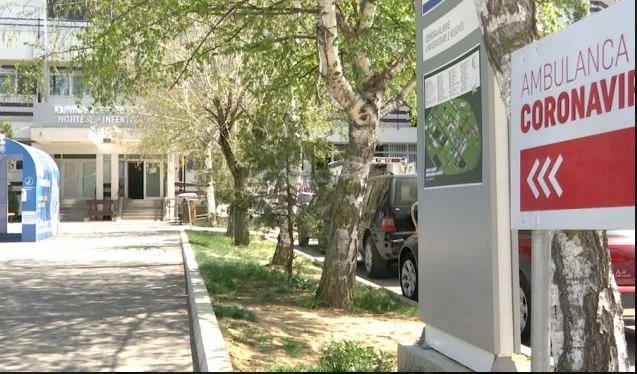
The Infectious Clinic has treated hundreds of patients infected with coronarys.
Infectologists were hoping for many citizens affected by this virus, and their family members, who were always guided by this clinic to learn about their health.
And they were always in the line of duty, becoming the “heroes of the pandemic”, leaving their children just to save lives.
The nurse with the N.A. initials relates how she distanced herself from the family while she's positive.
I was quarantined, two weeks and four days I stayed away from my family, my husband's children, it wasn't easy to trust, but we made it out to”, she relates.
Until we hear confessions of health personnel, for the time of the pandemic, we find that the big challenge for all is that this virus came with many unknowns, bringing concern to the workers of this sector.
The director's duty at the Infectious Clinic, Lindita Ayzaj-Berisha, shows how she was forced to remove the children from home.
The largest part of the time, whether during weekends or holidays, has had to stay a large part of the time, children have had parents and there have stayed all the time, and during my visit to children and parents has had to keep the distance at least two meters away and using protective equipment, masks and gloves”, she says.
Health workers themselves face emotional problems as a result of the spread of the coronary, especially those infected.
Nurse N.A. tells how she dared to get through the phase when she was with Coddy.
I've been through a lot worse, the most obvious right given to my family risk, the more I had that problem, because the kids were young, thinking about some problems further by not doing it, although I was positive. But the next day the whole family was tested, and it all turned out to be negative, and this may have been a big pillar that gave me the courage to pass”, she relates.
From the day that the first cases with Covid-19 doctors at the Infectious Clinic were confirmed, they spent 24 hours in custody, and the greatest time they spent within the clinic, handling cases that daily marked growth.
Lindita Ayzaj-Berisha, director at the Infectious Clinic, says staying with the family was always getting more difficult.
The “has been a huge challenge for us as health personnel, besides working and engaging within the normal clinic and another challenge to guard against spreading home family infection”, it indicates.
For months many health workers did not meet their relatives because of the danger they faced.
Their life was developing only within the clinic, where they faced serious cases that emerged after the spread of a completely unknown virus for all.