6 minutes ago
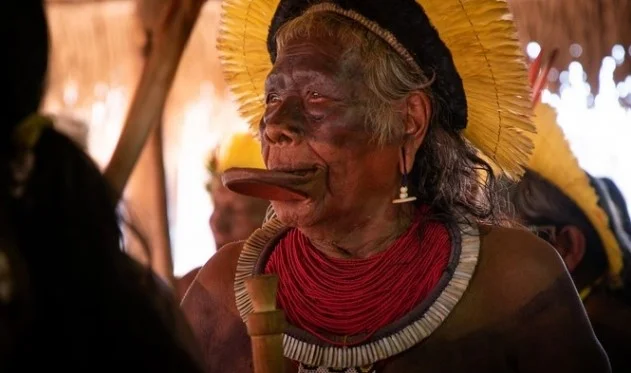
The indigenous peoples in the Amazon are in danger of disappearing from the Coronavirus
Periskopi(6 years ago)
(6 years ago)Autochtonous peoples in the Amazon region and Brazil are at risk of disappearing from the Coronobrus, according to health experts. Breathing diseases such as those developed by flu viruses have become a major cause of death for indigenous peoples. Brazil has reported over 6,000 cases of Covid-19 and 240 deaths, broadcast [...]
Breathing diseases such as those developed by flu viruses have become a major cause of death for indigenous peoples.
Brazil has reported over 6,000 cases of Covid-19 and 240 deaths, Kosovo Press broadcasts.
The infections initially focused on the industrial area of São Paulo. However, the virus has now spread throughout the country, including indigenous territories in the Amazon Valley. The first case among indigenous peoples was recorded in the Amazon State.
“There is an extraordinary risk of the virus spreading to the mass and eliminating indigenous peoples,” said Sofia Mendo, a researcher at São Paulo Federal University.
Responding to the Covid-19 pandemic, some indigenous people planned to break up into small groups and seek protection in the forest. This is how they avoided extinction during the recent epidemic.
“They will collect materials necessary for hunting and fishing and will be placed in camps”, Menita said.
Many indigenous peoples have no means to reduce the risk of broadcasting, such as washing hands with soap and water, or using sanitizers.
They also often live near each other and share dishes and glasses, both assist in spreading infectious diseases faster.
Now they are advised to stop sharing equipment and practice traditional isolation practices.
According to the federal agency Funnai, there are 107 indigenous groups known in the Brazilian Amazon, which have no contact with the outside world.
However, illegal cutters, hunters and missionary missionaries operate in their territory, and indigenous organisations and NGOs say there has been a sharp increase in attacks in recent years.
The government continues to cut the budget, making it difficult for Funnai to protect the autochthon peoples.
Now, there are fears that the battle against the Coronavirus will further reduce its resources to protect the forest and the indigenous peoples.
Although some indigenous peoples agree that they should avoid travel to the city to reduce the risk of infection, many indigenous leaders say that their tribe members are threatened by hunger if they do not have access to markets.
Otherwise, autochthon peoples make up 0.5% of the Brazilian population. In the 1960 ' s, an outbreak of measles among members of the Yamanim tribe near the Venezuelan border caused the death of many.