11 minutes ago
Investments missing from EU, Albania at lowest level in Central and South Europe
Periskopi(6 years ago)
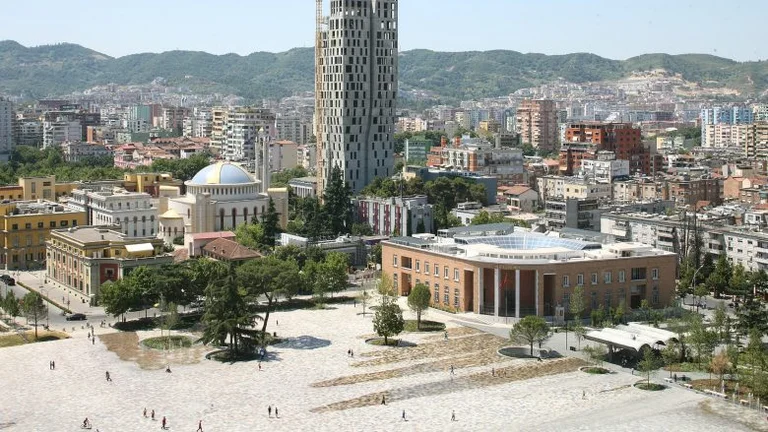
(6 years ago)Albania and Montenegro are the two lowest investment flows from European Union countries (BE) in terms of total. According to a study by Vienna's Center for Economic Studies in 2018 Albania had only 53.9 percent of total foreign investment from the EU. Albania left behind [...]
According to a study by Vienna's Center for Economic Studies in 2018 Albania had only 53.9 percent of total foreign investment from the EU. Albania left behind only Montenegro, which scored only 44.3 percent of total foreign investment from European countries.
In other developing countries of Central and Southeast Europe (CESEE), the percentage of investments from EU countries is much higher.
Northern Macedonia has 75.3 per cent of total investments from EU countries, Serbia reports there are 73.6 per cent of foreign direct investments from EU countries, Bosnia 66.7%, Bulgaria 79.6%, Romania 91.1 %, Hungary 92.7% etc. (after map below).
But despite its origin, investments in gross terms marked growth in Moldova, Albania, Serbia and Northern Macedonia in 2018 compared to a year ago.
Traditionally, the CESEE region has attracted most of the investments from EU countries. For each of the countries in the region, nearly 3-quarters of foreign investment comes from the EU, unlike Albania's case that nearly half of the investment flow was from non-EU countries like Canada, Turkey, Switzerland, etc.
But recent trends show that there is a decline in investments in Hungary and Slovenia from EU countries, which have been declining in the past five years.
For the countries of the Western Balkans, besides Kosovo and to a smaller measure Bosnia, the role of EU countries as foreign investors is also on the decline, reports the Vienna Institute of Economic Studies.
Inequities of income among CESEE countries remain high.
These countries are still suffering the lack of economic integration in the EU, both in trade and in foreign direct investments. /montor/.