2 minutes ago
2 months of elections, the president is giving LDK and LVV time to reach agreement

Periskopi(7 years ago)
(7 years ago)Today, it has been two months since holding early parliamentary elections in Kosovo, while the country has not yet formed institutions. Rightly, the October 6th election has been named maratonic because of once, the proclamation of the final result, until the negotiations of LVV and LDK on forming the Government, which does not [...]
Today, it has been two months since holding early parliamentary elections in Kosovo, while the country has not yet formed institutions.
Rightly, the October 6th election has been named maratonic because of once, the proclamation of the final result, until the negotiations of LVV and LDK on forming the Government, which they are not seeing the end.
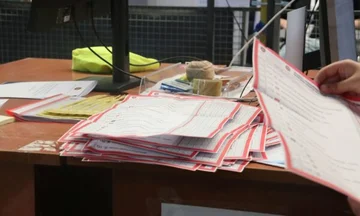
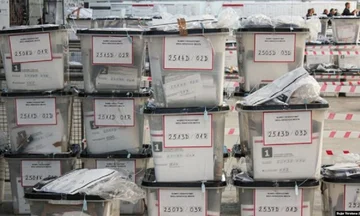
The Central Election Commission (KQZ) has certified the final outcome of early parliamentary elections on November 27th, following a series of complaints at PZAP and the Supreme Court by political parties.
The party chairman, who came first in the 6 October elections, Albin Kurti, had declared that after the release of the results, no more 48 hours will pass that LVV and LDK will sign the coalition agreement.
But everything has already changed in this realm. Disagreements between these parties have deepened, when the issue came to the division of positions.
The Democratic League of Kosovo is demanding that the post of president be included in the agreement with the LVV, while showing preferences for the minister, as is that of Internal Affairs.
Early this week, there was a meeting between Kurti and Mustaf, which resulted without agreement, while from that day the meetings have been suspended. What has followed since then is only public statements by officials from both parties, which have in some way shown that neither side is ready to compromise.
LVV Vice President Albulen Haxhiu made it clear last night that LVV will not discuss the president's post case with LDK. While LDK deputy chairman Lutfi Haziri has said that if Vetevendosje refuses to resolve the issue of President LDK now, it will go into opposition.
“We do not accept other options to resolve the problem, which comes out of this form of talks”, Haziri said.
The president's role in forming institutions?
Given the Constitution of Kosovo, the country's president is obliged that following the Certificate of results by the CEC, within the 30-day deadline to call the Assembly Constitution session. In this case, it turns out that the last date for the House Constitution is December 25th.
Before that deadline, the president should also call political parties in consultations on the appointment of the constitutional session.
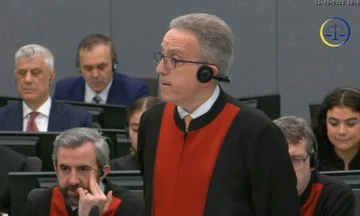
Asked why the country's president has not yet invited political subjects to the meeting, analyst Arton Demhaja has told Periskopi that President Hashim Thaci is giving the two parties time to deal with the coalition.
The president is likely expecting that perhaps, after that, an agreement will not be hampered by the constitutional process”, Denhasaj said.
He has clarified that 30 days from the certificate of results, the president must invite political parties to consultations, then following the election of legislative organs. As after the Parliament's constitutionalisation, the president hands the mandate to the first party that has emerged in the election 15 days later.
According to Article 66 of the Kosovo Constitution, the president of the Republic of Kosovo calls the first session of the Parliament. And if he is unable to call the first session, the Assembly meets without the president's participation.
The Kosovo Assembly from its ranks elects the chairman and the five vice-presidents (head of the Assembly).
The Speaker of the Parliament is nominated by the largest parliamentary group and elected with the majority of votes of all Parliament deputies. And the three vice-presidents, proposed by the three largest parliamentary groups, are elected with the majority of votes of all Parliament deputies, while two vice-presidents represent communities that are not the majority in the Parliament and they are elected by the majority of votes of all MPs.
After the Assembly's constitutionalisation, the next procedure follows, that of forming Kosovo's Assembly has 120 seats, of them 20 seats are guaranteed for non-communal communities, 10 for the Serb community, and as much for other non-most communities respectively. /Periscopi/