a minute ago
Lessons from the massacre of “My Lai”, caused by the US 50 years ago

Periskopi(8 years ago)
(8 years ago)Massive killings of civilians by American troops in southern Vietnam in 1968 produced My Lai, a legend of Americans committing a cruel war. What effect does My Lai's legacy have today? On March 16, 1968, a new military company settled in an area populated on the northeast coast [...]
On March 16, 1968, a new military company was deployed to an area populated in the northeast coast of South Vietnam, attacking the Viet Cong fighters.
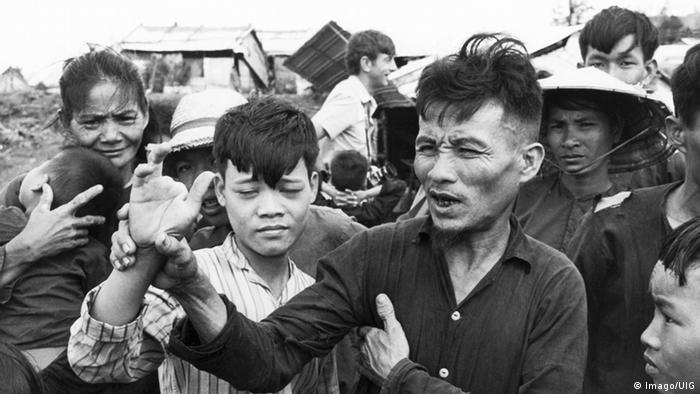
Instead, they found civilians. American troops slaughtered women, the elderly and children, cutting their hands, their throats and killing villagers with firearms and grenades, reports “DW” Transmission Periscope.
The U.S. Army covered these murders and painted this macabre event as a victory. The American public on this event was announced a year later when independent journalist Seymour Hersh drew the lid from the My Lai massacre story.
“Many gathered in small groups and were killed, others were thrown into a leakhole on one side of the village and shot, many others shot at their homes or near them,” wrote several years after reporting from time to time about 1972 in The New Yorker “”.
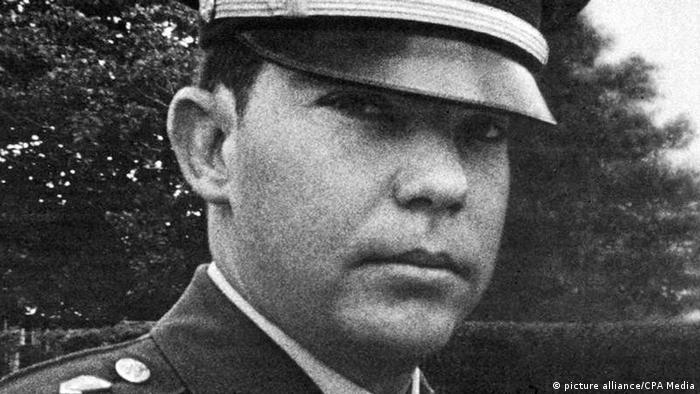
Finally, the six men tried by the company, only one Lieutenant William L. Cale, Jr. He was convicted of killing 22 people. The official number of Vietnamese dead in My Lai and neighboring villages has been carved into a black wall with the names of 504 people, ranging from babies to people in their 80s.
Most of the terrible massacres we have are in combat. This was not at all close to war, it was only being accomplished in one village,” told “DW”, Hersh.
I think Americans in 1968 had lost confidence in the army as an institution after the massacre of My Lai,” said historian Fred Borsch.
After the My Lai massacre, the United States tried everything to prevent future atrocities, says Anthony Cordesman, Chairman Arleigh A. Burke Center for Strategic and International Studies, headquartered in Washington.
As soon as it happened, you had to do everything you could to make sure it didn't happen again,” he says.
My Lai may be extraordinary when it comes to the degree of violent violence, but that does not mean that America has found its moral compass, says Hersch.
For families of hundreds of civilians who lost their lives five decades ago in My Lai or those who continue to pay the price of armed conflicts in the United States today, lessons from a dark chapter in American history have little comfort./Periscopi/