5 hours ago
Amnesty International: Albania problems with rights

Periskopi(8 years ago)
(8 years ago)The impunity of past murders and disappearances continues in Albania. Measures for protecting women from domestic violence have been implemented with shortcomings. Women and children are trafficked for prostitution and forced labour. Albania's path to EU membership has been hampered by slow progress in fighting corruption and organised crime. This [...]
The impunity of past murders and disappearances continues in Albania. Measures for protecting women from domestic violence have been implemented with shortcomings. Women and children are trafficked for prostitution and forced labour. Albania's path to EU membership has been hampered by slow progress in fighting corruption and organised crime. This is the description for Albania in Amnesty International's latest report on the state of human rights in the world, 2017/2018.
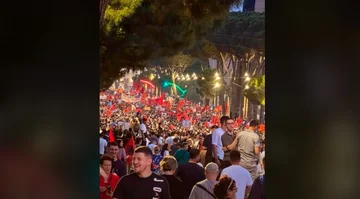
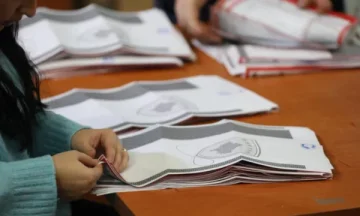
Amnesty stops at the political crisis that preceded last year's elections and protests by the opposition democratic party. International observers reported several incidents of pressure on voters and possible vote buying. As for the justice system, measures to guarantee judicial independence have been implemented in part, the report said.
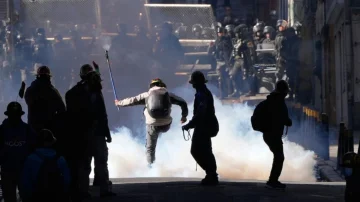
In June, the Vetting Law, aimed at guaranteeing the independence of judges and prosecutors from organised crime, was sent to the Constitutional Court. In a case submitted to the European Court of Human Rights, the government agreed to reopen the investigation into the case of four protesters killed in the January 21st, 2011. A payment of over 100,000 euros as a form of compensation has been split between relatives of the two victims, the TCh reports, broadcasts the Kosovo Clan.
Physical attacks on investigative journalists are also mentioned in the report, as well as allegations of slander against two newspapers filed by Judge Djind John and his wife, who, according to the journalists' community, were aiming to intimidate investigative journalists and encourage self-senses.
The report further stops in the rights of the LGBT community, where it condemns discrimination in employment, the rights of migrants, cultural, economic and social rights, as well as violence against women, specifically mentioning the case of the slain Judge Fildeze Hafizi.