8 minutes ago
AFP: Water Lake, troubled waters between Kosovo, Serbia

Periskopi(8 years ago)
(8 years ago)Controld by Serbs but key source for Kosovo, the fresh blue waters of Weyman Lake reflect the cool relationship between former war enemies about their disputed border. The 24-mile reserve stays on the border dividing Serbia and Kosovo, which continue to be blocked in diplomatic form for another 20 years [...]
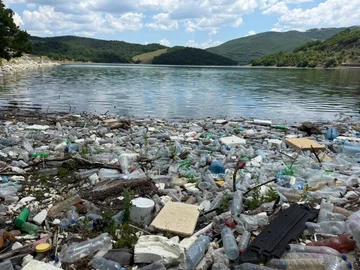
Controld by Serbs but key source for Kosovo, the fresh blue waters of Weyman Lake reflect the cool relationship between former war enemies about their disputed border.
The 24-mile reserve stands on the border dividing Serbia and Kosovo, which continue to be blocked in diplomatic form even 20 years after ethnic rebellion split both.
Now the two territories are under pressure to normalise relations in order to advance towards EU membership talks. Solving the border issue is key to any agreement, the AFP reports.
The proposal for “fold territories” as a way to break the blockade became a topic of discussion in August after officials from both sides approved the opportunity.
Local media speculated that a part of Serbia inhabited by Albanians could be exchanged for a majority Serb region in northern Kosovo, where Weyman Lake is located.
Human rights groups immediately sounded the alarm for the proposal, which said it would rewrite the map along ethnic lines, recalling the blood shed during the former Yugoslavia's brutal event in its CHA90s, broadcast Koha.net.
But Weiman and his 370 million-foot water cubes offer another reminder of why changing borders would be everything but simple.
The three-quarters of the lake lies in the Serb-run northern part of Kosovo, where Belgrade has kept its strong influence and, of course, would demand if the land swap was put on the table.
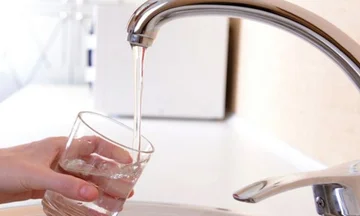
But for Kosovo, I gave up Wiman, an artificial lake built with a feather on the Iber River, would threaten to supply drinking water to more than a third of its 1.8 million inhabitants.
The lake is also used for cooling thermal power plants Kosova A and Kosovo B ʹ, which produces about 95 percent of Kosovo's electricity.
“Pa Weyman, Kosovo would be without electricity”, says Srdjan Vulovic, chief of the company founded by Belgrade “Ibar”, which manages the lake, broadcast Koha.net.
But he says the “right to manage Wajman belongs to Serbia”, adding that it was Belgrade who returned the 78m-euro loan for the construction of the feather during the former Yugoslavia to HINA.
) Photo-ence rival
The lake returned to a diplomatic theatre in September, as planned talks between Kosovo presidents and Serbia failed at the last minute in Brussels, where the EU is mediating negotiations.
Serbian President Aleksandar Vuciq was rushed to a controversial visit to the Lake of Weyman, despite opposition by leaders in Pristina, who finally softened.
“There was pressure from the European Union... we had no solution”, Kosovo Foreign Minister Behgjet Pacolli had said.
Standing near the feather, which workers had decorated with Serbian flags, Vucinqi described the lake as a symbol of the blind road.
“Wyman shows in the clearest possible way the size of the problem we face, our differences, our bitter political battles”, he said, broadcast Koha.net.
Three weeks later, Kosovo President Hashim Thaci was opposed with a photo session on a boat in the lake.
A normal visit to one of our beauty”, Thaci said at the time.
Kosovo's chief negotiator with Serbia, Avni Arifi, had warned that it would be the inappropriate “” of “any debate on Lake” in the upcoming EU-led talks.
“is the source of Kosovo... and we will not talk to Serbia about our resources”, he has told AFP.
Kosovo Achilles Thembra
Agorn Dida, Kosovo expert on energy issues, has said that “independence and stability” Kosovo's would be endangered if the lake becomes Serbia's territory.
“Vukiqi and his political friends in Serbia know very well that the lake is Achilles' Kosovo heel”, he told AFP, broadcast Koha.net.
This keeps the negotiations on a dead end, with both sides claiming ownership of the lake's waters.
“Wyman is everything to us”, says Susan Maksimovic, who lives in the Serbian part of Mitrovica.
The “is our property, as is Kosovo”, the 54-year-old unemployed added.
But Besim Musa, an Albanian from the southern part of the city, disagrees.
“Serbs can say whatever they want, but the lake remains our”, 31-year-old taxi driver said.