6 minutes ago
What CIA Knows About Serbia, Milosevic

Periskopi(9 years ago)
(9 years ago)The CIA has data sources for countries which are published annually in almanac form “The World Factbook”, writes Belgrade's “Blic”. These include data for Serbia, the paper writes. “Blic” writes that the CIA knows a lot about Serbia and then numbers some of the data, starting with the formation of the Serbian Kingdom, [...]
The CIA has data sources for countries which are published annually in almanac form “The World Factbook”, writes Belgrade's “Blic”. These include data for Serbia, the paper writes.
“Blic” writes that the CIA knows a lot about Serbia and then numbers some of the data, beginning with the formation of the Kingdom of Serbs, Croats and Slovenians, to reach its role in the breakup of Yugoslavia.
In 1991 Croatia, Slovenia and Macedonia declared independence, and then Bosnia in 1992. The remaining republics, Serbia-Montenegro, declared the Federation Republic of Yugoslavia...”.
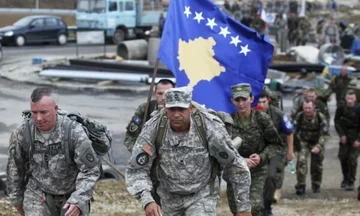
In 1998 the uprising of Albanians in the former Kosovo Autonomous Wing promoted the anti-prisoning campaign that ended with the massacres and mass expulsions of Albanians living in Kosovo”, this newspaper quoted the CIA, broadcasting Koha.net. “After rejecting the international agreement on the part of the Milosevic government following NATO's shelling on Serbia in the spring of 1999” writes “Blic”.
It is also mentioned that the 2000 elections brought down Milosevic and brought about democratic power. According to this newspaper, after two years of unsuccessful “negotia” Kosovo declared independence, while Serbia demanded the opinion of the International Court of Justice in The Hague (“Blic” does not mention that this Court deemed it internationally legitimate to declare this independence ʹthe fulfillment of ours) and that several agreements have been reached under negotiations in Brussels.
It is also mentioned that Aleksandar Vuciq has promoted the ambitious goal of Serbia in the EU in 2020.