5 hours ago
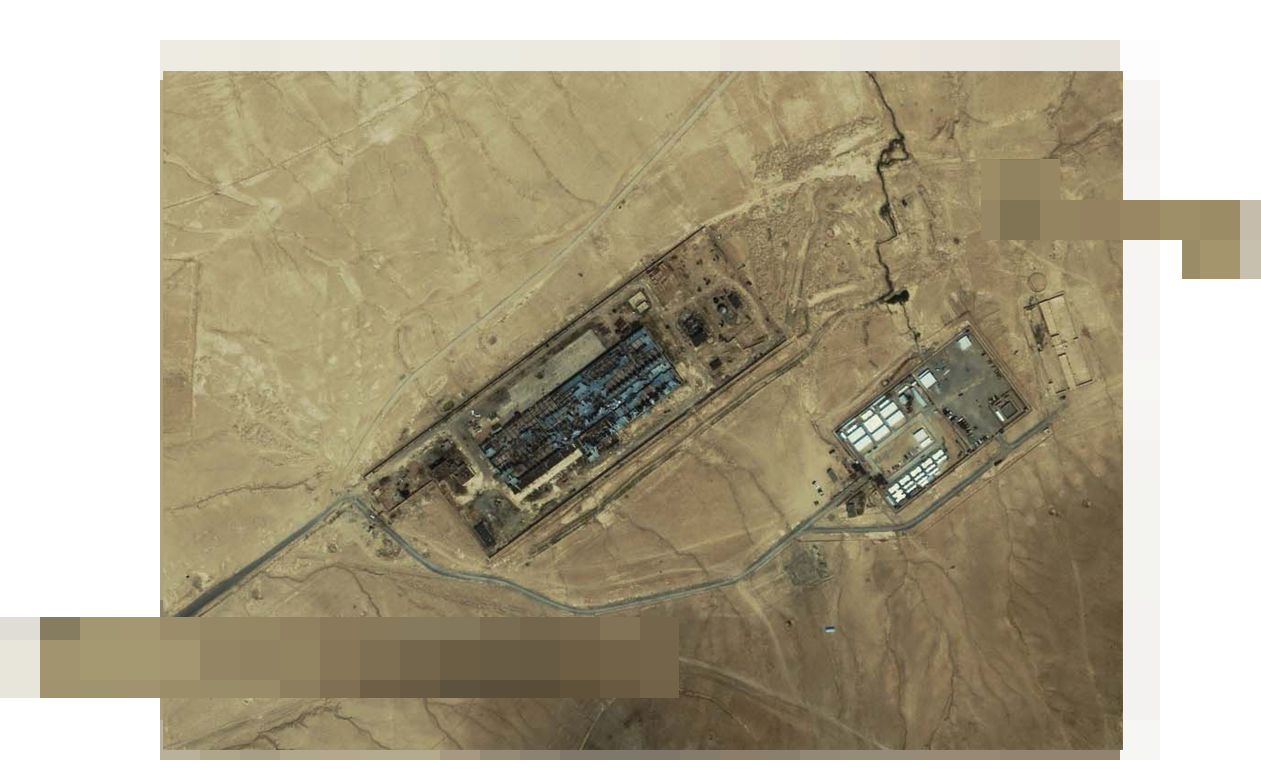
Within the CIA's dark prison, victims tell of torture and death (Photo)

Periskopi(9 years ago)
(9 years ago)One prison had twenty cells each built from a concrete box. During their lifetimes, prisoners were bound to a metal ring on the wall. In four of the techniques designed for sleep deprivation, prisoners were chained by wrists with an upper tape. “Atmosphera was very good”, said John [...]
“Atmosphera was very good”, said John “Bruce” Jessen, a CIA investigator in January 2003, two months after questioning a prisoner named Gul Rahman, reports The Guardian”, the Periscope broadcast.
Jessen is one of two psychologists contracted by the US administration who designed “expanded interrogation technologies”, spent ten days in secret prison near Kabul, Afghanistan, in November 2002 to question Rahman. Five days after he left this cell, his prisoner Rahman was found dead in his cell as a result of hypothermia.

In August, Gul Rahman's family and Mohammed Ben Soud and Suleiman Abdullah Salim, the two surviving prisoners, reached a solution to sue Jesse and James Mitchell for the torture they have been subjected to.

For the spring of 2002, the two psychologists showed their approach to overcoming al-Qaeda fighters Jesse at the Pentagon and Mitchell in the CIA. They put their product in two presentations through the PotterPoint described by what they called “The Metafora of the circle”, a diagram they deceived as “an effective way of thinking about the behavior of resistance”.
In his court deposit, Jessen insisted that his interrogation methods, he and Mitchell initially proposed to overcome this resistance did not involve physical pressures and were in line with the Geneva Convention.

But by April, Jessen was drafting a “Draft Exploitation Plan” that included keeping prisoners in prisons undisposed by fire in secret environments that were beyond the reach of the US Red Cross, the press and observers. A few months later, “Jim and I went to a cabinet”, as Jesse recalls during his deposit. It sat in a typewriter, and together we wrote a list of”, which became the CIA's extensive investigative technique.

Six months later, in March and April 2003, Mohammed Ben Soud and Suleiman Abdullah Salim became two of 39 men subjected to extensive interrogation techniques by Mitchell and Jessen
None of the top officials of the CIA administration or the Bush administration who have adopted and promoted the methods of Mitchell and Jesse have done anything like their accession and role in supporting the black-page programme, where it remains darkened by the classified pieces in the issued documents.

Many CIA officers who participated in the torture programme in the darkness site were later hired by Mitchell and Jesse, who continued to account for millions of CIA dollars for interrogation services long after the end of the programme.

The solution reached last month in the indictment brought the first official recognition that the men were damaged by the expanded “settings on the CIA's black pages, the first test of return for victims of the agency's torture programme after 9/11. In a statement issued for the solution, Mitchell and Jessen said “it is a shame that Rahman, Salim and Ben Soud suffered abuses”, denying responsibility for the mistreatment of men.

The statement added: “Dr Mitchell and Jessen claim that the abuses of Salim and Ben Soud took place without their knowledge or consent and that they were not responsible for these actions. Dr Mitchell and Jesse also claim they were unaware of the specific abuses that eventually caused Rahmanir's death and also are not responsible for those” actions.


But 15 years after Gul Rahman was found dead in his dark cell, evidence gathered during the detention discovery has underlined what was the harsh and unfair tactics of Mitchell and Jesse and how completely rejected within the CIA more than a decade ago./Periscopi/