4 minutes ago
Oil expensive as the Iran war continues and a key alternative route to Hormuz is threatened
Periskopi(2 hours ago)
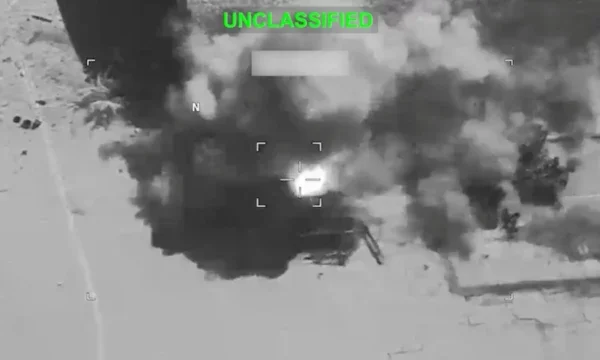
(2 hours ago)Oil prices are on the rise as the United States held the 11th following night of attacks on Iranian military targets, while the Huthi rebels in Yemen threatened to interrupt an alternative route of vital importance for Saudi oil exports, CNN writes.
Brent Oil, the global standard of reference, grew by 3.7%, to 94.40 dollars per barrel, just before 0500 a.m. in the US Eastern Time. West Texas Intermediate (WTI), the American oil standard, increased by 4% to $887.71 per barrel.
The latest “oil price movements come at a time when attacks between the US and Iran show no signs of softness and still no concrete signs of a” peace agreement, Deutsche Bank analysts wrote in a report.
The prices of crude oil have risen by about $20 per barrel this month, while fighting between the US and Iran has escalated again. According to Deutsche Bank, oil introduction contracts for surrender after six months reached yesterday the highest level of a month, while fears have been restored for a prolonged supply cut.
Adding to the concerns are the fact that Iran-backed 80s have threatened to attack Saudi ships trying to cross the Red Sea, endangering what has become an alternative route of vital importance to the Hormuz Strait for Saudi Arabia's oil exports.
Saudi Arabia has diverted about 4 million to 5 million barrels of oil a day from Hormuz to its port in Yanbu, according to Helima Croft, leader of the global strategy at RBC Capital Markets. This represents approximately a quarter of the oil supply passing through the Strait of Hormuz prior to the war.
If this road becomes unusable, then the disruption of the oil supply becomes much more serious and we start talking about a situation again without a single way out of”, Croft said.