16 hours ago
Can the expanded veins themselves be eliminated? What you should know before complications appear
Periskopi(2 hours ago)
(2 hours ago)Stand-up, swelling around the most visible joints and veins in the evening can be signs that require timely control
According to Cleveland Clinic, chronic venous inefficiency cannot reverse treatment after damage to veins, but it can alleviate symptoms and, in some cases, remove or close damaged veins so that the blood can no longer pass through them.
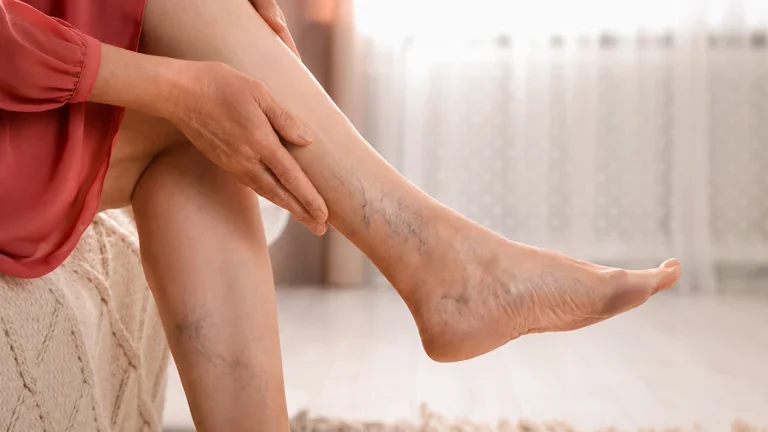
The reason is the way the veins work. They turn blood from their feet to their heart with the help of small valves that prevent the return of blood. When these valves weaken, blood accumulates into the vein, pressure increases as the vein expands and becomes visible.
What is often viewed as aesthetic problem is, in fact, a traffic disorder.
Signs You Should Not Ignore
If veins are more visible in the evening than in the morning, if you see blue or purple emissions under your skin, especially at your feet or behind your knee, it is good to check.
The legs, the sense of strain, the burning, the corrosion at night, and the swelling around the joints can be early signs of chronic ventral disease. These symptoms often deteriorate during the day, after a long sitting or standing.
Cremies and gels can temporarily ease the feeling of fatigue, but they do not repair damaged valves and restore the vein to its former state, broadcast the telegram.
What can stop the progression of the disease
While the damaged vein cannot be “restored” from the inside, symptoms can be eased and the progress of the disease slows down. They help regular movement, avoid sitting or standing long, control of body weight, and use compressive medical socks.
When the disease is more advanced, modern medicine offers minimal invasive methods, such as the closing of the laser vein or other techniques that exclude the vein damaged by circulation. The blood then passes through healthy veins.
These procedures usually do not require long recovery, and many patients may turn to daily activities soon after the intervention.
Why do veins look like “are returned” after treatment
After treatment, usually the same vein does not return. It has been shut down or turned away from circulation. But if there is restraint, changes may occur in other veins.
Therefore, long - term controls, time circulation, and reaction are important.
Expanded veins should not be expected until complications like ventral wounds or trombones appear. The earlier diagnosed and treated, the simpler the control of the disease. /Telegraphy/