12 hours ago
Can Creatine help deal with depression? - The latest scientific study will surprise you
Periskopi(2 days ago)
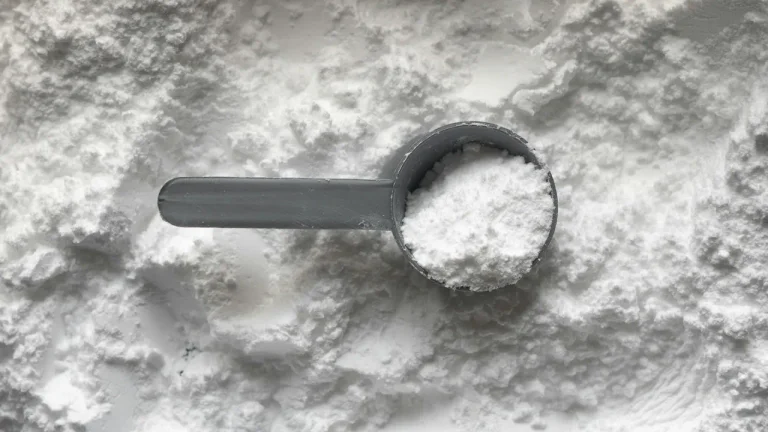
(2 days ago)While Creatine is a major subject in gym bags for muscle construction, it can also play a role in mental health management.
Researchers at the University of Ottawa have recently conducted a systematic review of international evidence to see if Creatia can help deal with depression. Final data revealed a deeply divided picture, with the shoulder displaying significant benefits in some patients, but completely fails others, writes technologyworksPeriscope broadcast.
Why scientists are studying Creatine for Depression
The brain is a energy - efficient organ, using ~20% of the body's energy on break, despite making up only ~2% of the body's total weight. Previous research has identified that when the production of energy in the brain falls, mood disorders may follow.
“There is an increasing number of evidence that brain energy contributes to depression, but it is more likely to form a part of the multi-factorial puzzle along with other different mechanisms through a biopsychocial lens”, author Dr. Nicholas Fabioo.
Many people with major depressive disorders find that standard antidepressors offer only a partial or unoptimal response, promoting research for effective additional therapies.
Creatine can help cells quickly refuel the triphosphate adenosis, the main molecule used for cellular energy, making it the potentially important shoulder to the brain's energy issues. Researchers have also linked the changing metabolism of Creatine to brain conditions such as depression. However, although limited in number, previous clinical trials praising the Creatine for depression have yielded widespread results.
What clinical studies reveal about Creatine and mood disorders
The new systematic revision synthetized data from five international RCT that included five countries: South Korea, United States, Brazil, Israel, and India. They analyzed six data involving 238 participants. Instead of uniting numbers into a single statistical metamanalysis, the authors chose to use a narrative summary, as individual studies changed greatly in their models.
The results revealed a deeply divided clinical view.
On the one hand, two studies released by a single study revealed that the addition of 5 g/day Creatine in standard antidepressive escilopramin significantly reduced depressive symptoms to women with severe depression after eight weeks. Another study showed increased benefits when researchers accompanied the Creatine with cognitive behavioral therapies instead of a placebo.
However, the remaining three tests found no therapeutic benefits. Creatine failed to overcome a placebo in various doses, ranging from twog to 10 g/day to patients resistant to treatment, teenage girls and people experiencing a depressive bipolar episode.
While the supplement was generally tolerated with only slight digestive problems, it caused hypomania or mania to two bipolar patients; "ky is an early signal, which certainly deserves further investigation", Fabiano warned.
The team did not find clinical evidence that valued Creatine for any mental health condition except mood disorders.