13 minutes ago
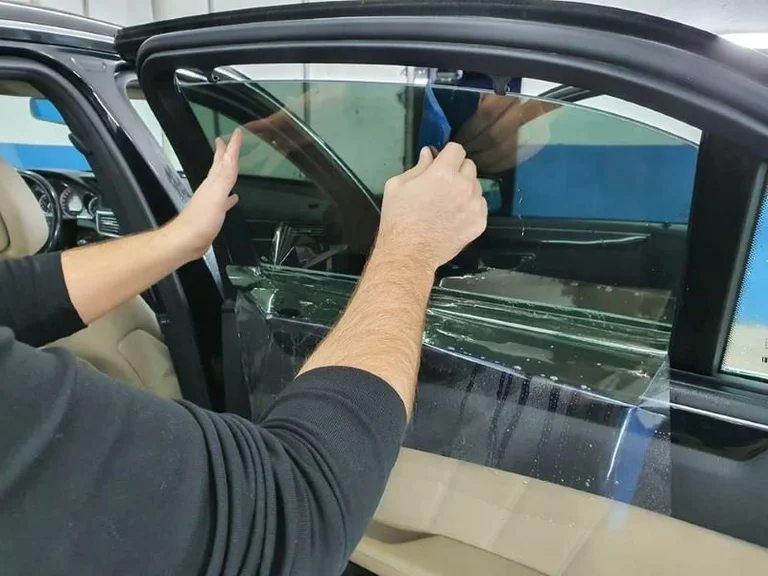
Dark windows in cars, Supreme Court comes out with a decision: Illegal Ban
Periskopi(12 days ago)
(12 days ago)Kosovo's Supreme Court has partially abolished the Ministry of Internal Affairs Administrative Guide provisions, restricting the use of glass on vehicles, praising that some of the restrictions imposed were not based on the law in force.
The decision was made following the indictment of the Nongovernmental Organisation “Marakli to Kerreve” and the Institute “TriPica Sports, Social, Economy”, who requested the legality of Article 7 Administrative Guide (MPB) No. 122024 for completion and Change of Administrative Guidance No. 04/2023 to register tools.
By prejudice, the College of the Supreme Court declared it illegal and abolished paragraph 1, paragraph 3 and Article 4 as it refused the requirement regarding paragraph 2, which remains in force.
In its reasoning, the Court found that laws regulating road traffic and vehicles do not contain general bans on the establishment of exacerbating materials or on replacing glass windows with dark glass.
“Line No. 08/ L-186 for Road Traffic Rules and Law No. 05L-123 for Automatons does not contain general bans on setting darker materials or replacing glass - glass windows. On the contrary, legislation in force envisions the possibility of auto modifications, provided they undergo technical verification and strikes procedures according to standards defined by law”, the decision said.
According to the Supreme Court, the abolished provisions had no implementation characters, but created new restrictions that were not envisioned by the Parliament through the law.
Article 1's “Paragraph 1 introduced a restriction that was not found in the law, allowing dark glass only for vehicles that are installed by the manufacturer, while paragraph 3 generally prohibited the setting of magnification sheets on vehicle windows. These provisions were not simply law enforcement or concrete, but they created new material restrictions that the lawmaker had not predestined to”, the Court estimated.
The court also abolished Article 4 in Article 7, which provided the possibility that exemptions would be permitted under the decision of the Ministry of Internal Affairs.
“Paragraph 4, which provided permission for the interior affairs minister's decision exemptions, was closely linked to the ban envisioned in paragraph 3 and, as a result, could not stand in effect because the basic ban itself proved illegal”, says the grounds for the trial.
In the decision, the Supreme Court has re-focused the boundaries of executive institutions' competencies during the release of sublegal acts.
The administrative “Ogans can issue sublegal acts only to enforce and concrete the law, but not to create new restrictions or restrictions that do not stem from legal provisions. Any restrictions on the rights or access to vehicles should be based on clear legal authorisation and on the principles of legitimacy, judicial security and proportional” are highlighted in the act of prejudice.
According to the Court, contested provisions also provided various treatment for vehicles under comparable circumstances.
The abolished sub-Disposits created different treatment for vehicles in comparable situations, without a clear legal basis and without giving evidence of such a distinction in the function of protecting public interest”, the decision says.
Meanwhile, the Court found that Article 2 paragraph 7 has technical and administrative character, since it regulates only the identity of dark glass in vehicle registration records, without imposing restrictions or restrictions that conflict with the law, so it left it in force./ Periscope.