a few seconds ago
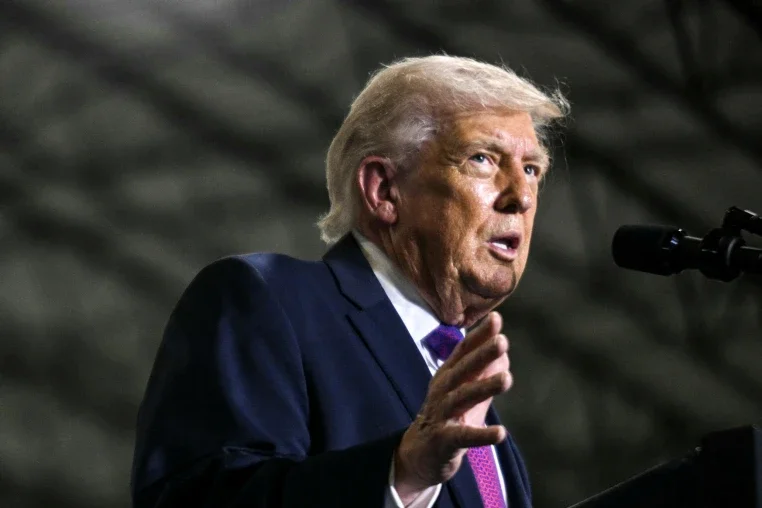
Trump says he'll extend the truce with Iran
Periskopi(2 months ago)
(2 months ago)US President Donald Trump said he does not want to extend the interim ceasefire with Iran, which expires on April 22nd, while Washington is waiting to see if the talks with Tehran will be held. Speaking in a telephone interview for CNBC on April 21st, Trump said the United States is in [...]
Speaking in a telephone interview for CNBC on April 21st, Trump said the United States is in a strong negotiating position and that they will achieve what he called a excellent “agreement”, when both sides meet.
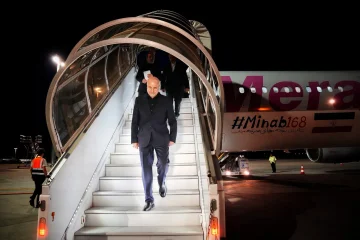
Talks were expected to be held on April 21st, but Iran has yet to officially say whether it will participate. The US vice president, JD Vance, is said to be ready to leave Washington “soon to”, according to officials, although there is no precise time for his departure.
Asked by CNBC whether to extend the current two-week ceasefire, which is ending, Trump said: “I don't want to do that. We don't have that much time”.
He also warned that the <x0).25 expect bombings, because I think this is a better approach to the process”.
Pakistan, which has been a mediator in the peace process, called on both the United States and Iran to extend the ceasefire, but reports by some media say Tehran is considering its options, while waiting to see whether the conditions of the Islamic Republic will be met, including the removal of the US military blockade to Iranian ports and recognition of its right to enrich uranium.
Iran has blocked access to the Strait of Hormuz, which controls access to the Persian Gulf, all vessels except Iranian or those Tehran approves for passage.
Iranian Parliament Speaker Mohammad Baqer Qalibaf, who is Iran's chief negotiator, wrote on the 20 April evening that Tehran is “prepared to unearth new cards” in the war with the US and Israel, accusing Trump that the “is making a siege and breaking the ceasefire” as he tries to turn negotiations into a <x4dopus, or justify the re-launching of the”
Trump has threatened to resume the war and attack Iranian civilian infrastructure, such as bridge and thermal power plant, if Tehran does not accept its terms.
The first round of talks in Islamabad on April 11th 12th did not produce agreement on ending the war, which began on February 28th after the US and Israel hit targets throughout Iran.
Tensions in the region remain high as cargo ships gather in the Persian Gulf due to the blockade. Trump has said it will not be removed until a peace agreement is signed.
While sea traffic is almost complete, some ships are reported to have gone through the Strait of Hormuz.
Data from the MarineTraff tracking platform showed that a ship named Ean Spir, whose ownership is unknown, crossed this water route on April 21st, as it was earlier anchored in an Iraqi port.
Another ship, also without specified ownership, named Lian Star, also according to data seems to have sailed through the strait.
The number of ships usually passing through the straits, through which some 20 percent of the global shipping shipments of oil and gas exceed 140, according to marine transport analysts. /Radio Free Europe