9 minutes ago
BBC: Differences between American and Iranian blockades
Periskopi(3 months ago)
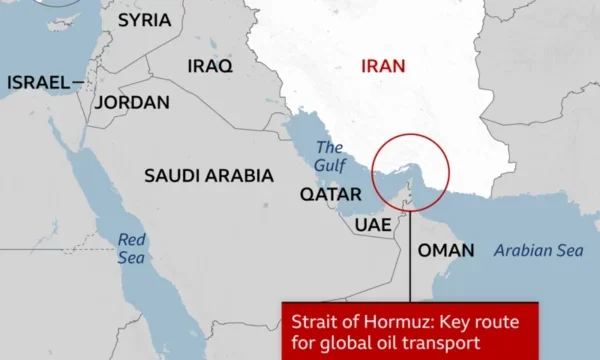
(3 months ago)The American president has described Iran's efforts to close the Hormuz Strait as strange “ ”, because the American blockade “has already closed it”, the BBC reported, broadcasting the BBC. The U.S. naval blockade has not specifically stopped the passage of ships into the straits, so let us analyze what each side has said about [...]
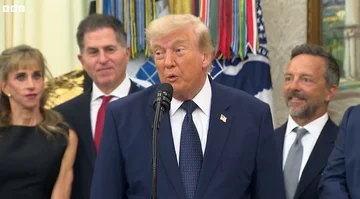
The American president has described Iran's efforts to close the Hormuz Strait as strange “ ”, because the American blockade “has already closed it”, the BBC reported, broadcasting the BBC.
The American naval blockade has not specifically banned the passage of ships into the straits, so let us analyze what each party has said about their limitations.
Iran
Iran's National Security Council, the country's highest security body, said on state television on Saturday that Tehran is “determined to implement monitoring and transit control through the Hormuz Strait to the end of the war and establish lasting peace in the region”.
The statement says this will be done by collecting full information from passing ships, releasing transit certificates and demanding payment of service fees for “security, defence and environmental protection”.
USA
When Trump first announced the US blockade, he said it would apply to “any ship that tries to enter or exit the Hormuz Strait”. He also said he had instructed the Navy of “to stop any ship” in international waters that paid Iran a tax on crossing the strait.
But the description of the U.S. Army how the American blockade was formed differently by focusing on blocking Iranian ports and not restricting the passage across the straits to others. She said she would not prevent the freedom of navigation for ships crossing the Hormuz Strait to and from non-Iranian ports”.