4 minutes ago
What is the story after women's International Day?
Periskopi(4 months ago)
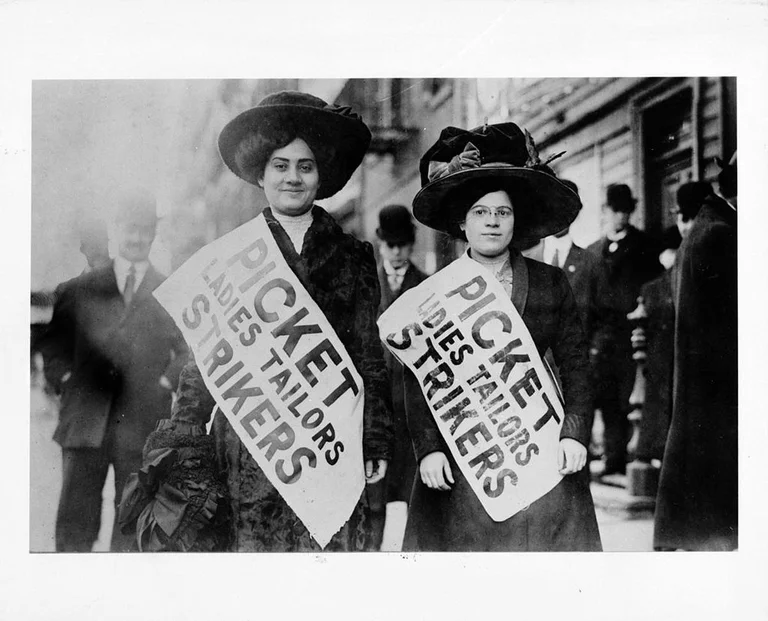
(4 months ago)A closer look at history shows that this day had roots in the fight for women who erupted after the Industrial Revolution, with working women from trade unions mobilizing for their rights, especially clothing workers in New York who stood up for wages and better working conditions. Moving [...]
Woman's day has preceded some demonstrations in search of women's exclusiveness and political rights of women “prosecutor” or worker, broadcast I did. tvFollow Periscope.
Alexander Kolontai, a Russian revolutionary and politician, marked the demonstration of American socialist women in 1909 as the first celebration of Women's Day. She praised the women of the working class of America for organizing their wife's first day.
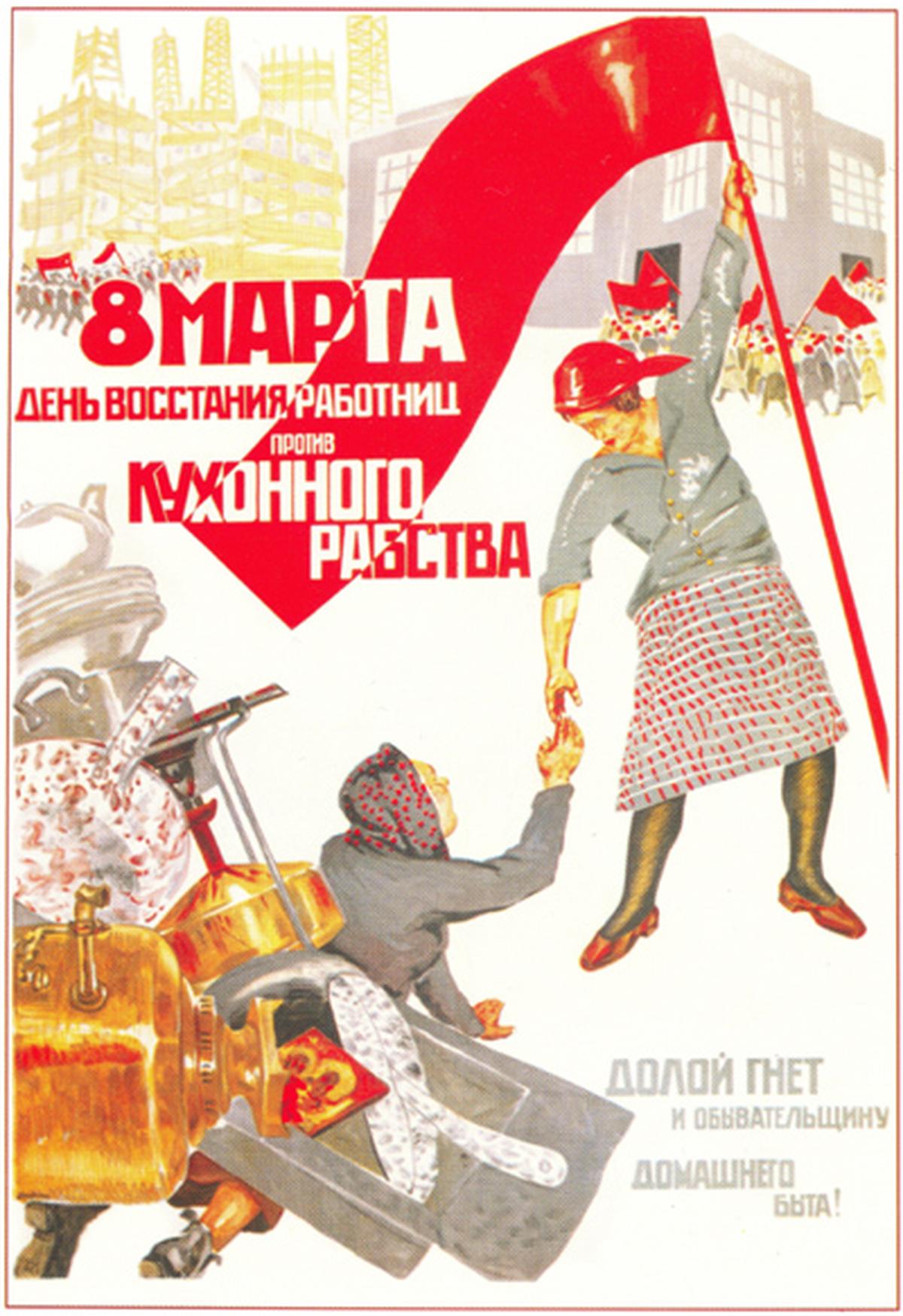
In an article on International Women's Day, published in 1920, Kolontai wrote: “The Socialists in North America insisted on their demands for a separate vote. On February 28th 1909, US socialist women organised large demonstrations and meetings across the country seeking political rights for working women. This was my wife's first day. Thus, the initiative to organize women's day belongs to American working women”.
She wrote that even before World War I, the food crisis and economic exploitation prompted the most peaceful housing to take an interest in political issues and protest loudly against the looting economy of bourgeois”, Klankosova broadcasts. tv
In August 1910, inspired by American women, the Second International Congress of Socialist Women organized in Copenhagen, Denmark, decided to hold the first International Women's Day on March 19, 1911.

The woman's first international day was celebrated throughout Europe with women attending demonstrations.
In 1913, International Women's Day moved on March 8, according to the Georgian calendar.
In the early 20th century, the clothing industry was the only female employer. However, working women had to cope with poor work conditions, long working hours, and small wages.
Their work hours were up to 75 hours a week, and in some cases they were asked to provide basic materials such as needles and strings. They have been fined late at work, and during working hours, they are locked up in a workshop to stop them from being inconsistent.
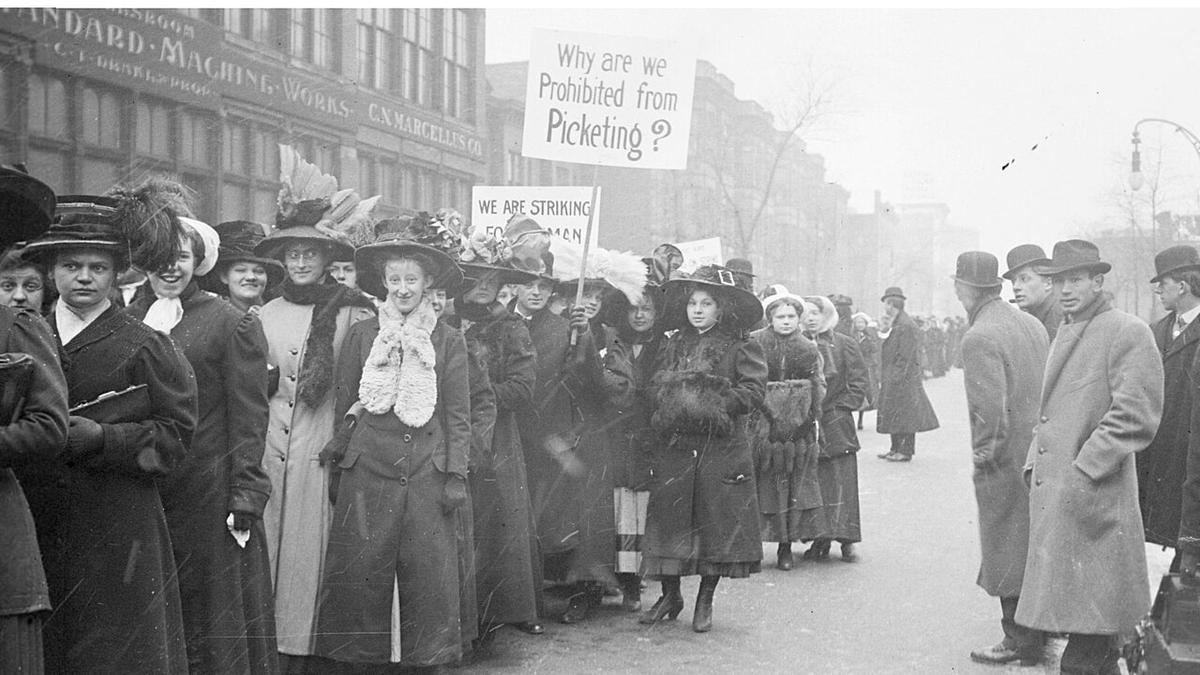
Their working conditions forced them to go on strike, which is known as New York's 1909 Shirtarist Strike, or the Superintery of 20,000.
These eventually built a conscience that enabled working women to seek radical changes in a climate that was also marked by significant uprisings of workers in the West. Women were eventually granted voting rights in the United States in 1920.
The slogan “Buka and Rose” was common among textile workers and women political activists demanding the right to vote on women.
The American activist began in a speech about women's vote rights, Helen Todd.
In 1917 the march of textile workers in Russia for Women's Day marked the beginning of the October Revolution. Women sought the end of World War I and food shortages, including better salaries and the end of the Carist autocratic in Russia.
The International Women's Day March in 1917 was held in Petrograd, Russia.
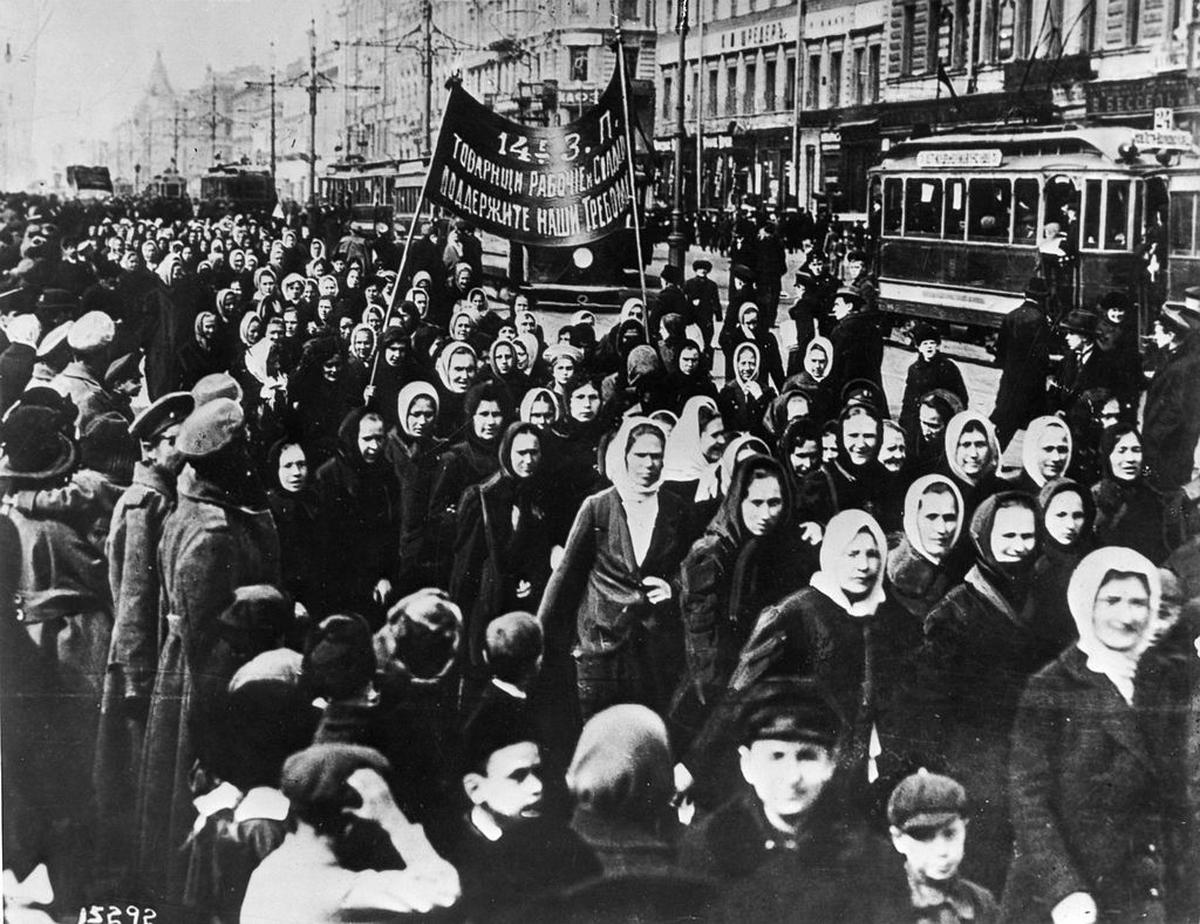
Revolutionary leader Leon Trotsky wrote: February “23 (March 8th under the Gregorian calendar) was International Women's Day and meetings and actions were envisioned. But we didn't imagine this woman's day would inaugurate the revolution. ”
Vladimir Lenin declared March 8 as the International Women's Day in 1922 to recognize the role of the woman in the Russian Revolution of 1917 and declared her a holiday. /Periscope