3 minutes ago
Osman's decree to distribute the Assembly sparks political clashes in the country
Periskopi(4 months ago)
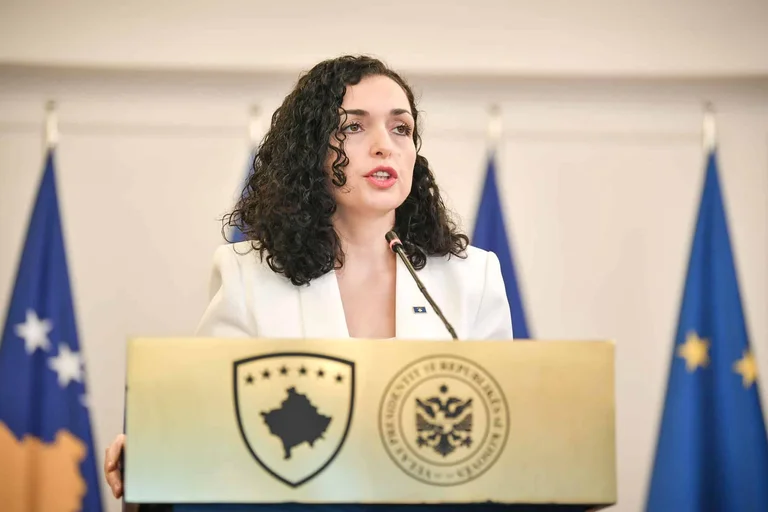
(4 months ago)President Vjosa Osmani's decree for the distribution of the Kosovo Assembly has deepened political clashes between power and opposition in the country. The Democratic Party of Kosovo has estimated that the president's decision is in line with the Constitution. MP Progress Gruda has declared that the distribution of the Assembly is a direct constitutional consequence, as institutions have failed [...]
President Vjosa Osmani's decree for the distribution of the Kosovo Assembly has deepened political clashes between power and opposition in the country.
The Democratic Party of Kosovo has estimated that the president's decision is in line with the Constitution.
MP Progress Gruda has declared that the distribution of the Assembly is a direct constitutional consequence, as institutions have failed to elect the president within the set term.
According to him, interpretations saying the Assembly could continue without time limit would create opportunities for procrastination of the process.
According to Gruda, the 60-day deadline mainly serves for the situation, when the president's post remains vacant, as in case of resignation, dismissal or death of the president. In those cases, according to him, the 30-day deadline of Article 86 cannot be implemented because it relates to the regular conclusion of the current president's mandate.
On the other hand, representatives of power and law experts have rejected the decree. Prime Minister Albin Kurti and the Vetevendosje Movement have praised that the decision is unconstitutional and have warned they will submit the case to the Constitutional Court of Kosovo.
Even some law officials have indicated the position that the president acted contrary to the Constitution, arguing that the Parliament still had time to elect the president before the decision to hand him out.
This situation has raised political tensions in the country and opened widespread debate on the interpretation of constitutional provisions related to the president's election and the distribution of the Assembly, Telegrafi reports, Periscopi broadcasts.
Political leaders have met several times to achieve a consensus figure for the president, but without success.
The last session for electing the president was interrupted in absence of quorum, as opposition party deputies were absent in the hall.
In the race for the post were Glauk Konjufca and Fatmire Kolcak-Mouka from the Vetevendosje Movement.
The president dissolved the Assembly after the president's election on March 5th and consulted parties on the date of early elections. /Periscopi/