3 minutes ago
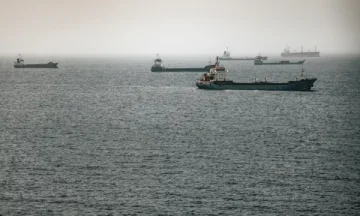
U.S. is expected to present a coalition for ship association at Hormuz
Periskopi(4 months ago)
(4 months ago)The United States is close to presenting a coalition to escort ships through the Strait of Hormuz, the Wall Street Journal and Axios media have reported, while Iran has warned it will not surrender. “This week, the Trump administration plans to announce that many states have agreed to form a coalition for [...]
This week's “, developed by the Trump administration, plans to announce that many states have agreed to form a coalition to escort ships through the Strait of Hormuz”, the Wall Street Journal reported on March 15th, not citing American sources by names.
According to reports, this issue is being discussed and that things can move depending on the state of war. Discussions exist among participants as to when this mission can begin work while extending fighting or just after a ceasefire.
Axios, quoting his sources, reported later that US President Donald Trump hopes to let this coalition know in the following week and that he is considering the possibility of capture The strategic island of Hargus, which US military forces bombed on March 13th in case traffic continues to be blocked in the strait.
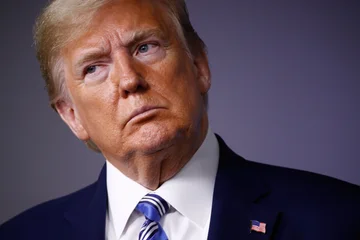
In a post on social networks, American President Donald Trump said that the <x0-states of the world that accept oil through the Strait of Hormuz should take care of that area, and we'll be helping the country, alot”.
In an interview published on March 16th by the Financial Times, Trump has said NATO forces face a very bad future “ ” if a member country does not help the United States in Iran.
On March 15th, British Prime Minister Keir Starmer has talked with Trump about the importance of reopening the Hormuz Strait in order not to prevent global supplies, the British prime minister's office has announced.
Starmer has also discussed the matter with Canadian Prime Minister Mark Carney, with whom they have discussed how blockades in the strait is affecting global supplies. They have pledged that they will continue discussions on March 16th.
Concerns for Energy Crisis
The Wall Street Journal also reported that American oil companies have warned the American administration that the crisis with the energy caused by the war in Iran is likely to deteriorate.
According to the paper, following successive meetings of US officials with leaders of the biggest oil companies in the US, barriers in the Strait “will continue to create hostility in global energy markets”.
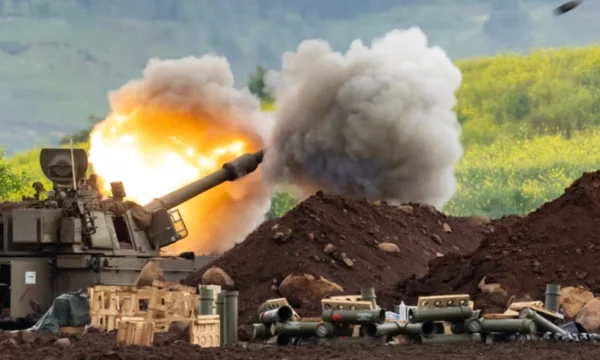
Furthermore, according to the paper, if the military forces start escorting ships across Hormuz while the hostilities are developing, then this will mark new dangerous phases in the U.S. and Israel's war on Iran.
Tehran has launched attacks on US Arab allies in the region and could target foreign ships in the strait, though Trump and other American officials have said Iran's navy has been destroyed during US and Israeli air strikes.
Despite being hit by these two countries from the air, Iran continues to launch threats and rockets against Israel and the US Arab allies in the region.
Iranian Foreign Minister Abbas Aracchi has dismissed a Trump claim that Tehran is seeking to negotiate with Washington. Trump said he is not ready for talks because Tehran's “conditions are not good enough”.
Iraq Notes Effects of War
Meanwhile, Iraq continues to note the consequences of war in the neighbouring state, as authorities there are reporting multiple attacks, or against groups close to Iran, or on US bases.
Iraqi authorities have said five people were injured on March 15th in a missile attack at the Baghdad airport complex, where an American diplomatic object is located.
There is also a large military complex at Baghdad Airport, a prison centre where many suspected of terrorism are kept, as well as a US diplomatic and logistical centre.
Since the start of the war, Iraq has closed its airspace across the country.
Iraq is considered an ally of the US, but there are also large Shiite populations and militia and political forces associated with Iran.
Billions linked to Iran have said to have carried out daily attacks with fears and rockets against American bases.
Meanwhile, Israeli Army spokesman Effie Defried has said that Israel still has thousands of targets to hit within Iran.
We still have thousands of targets inside Iran and we are identifying new targets every day”, he said.
Among other things, Israel is continuing its attacks on centres where it is believed to shelter members of Hezbollah in Lebanon.
Hezbollah is considered a terrorist organisation by the United States and other powers.
The Israeli Army has said 15 March that it is hitting Hezbollah's infrastructure in southern Beirut, following raids that were conducted earlier near the border. / REL