12 minutes ago
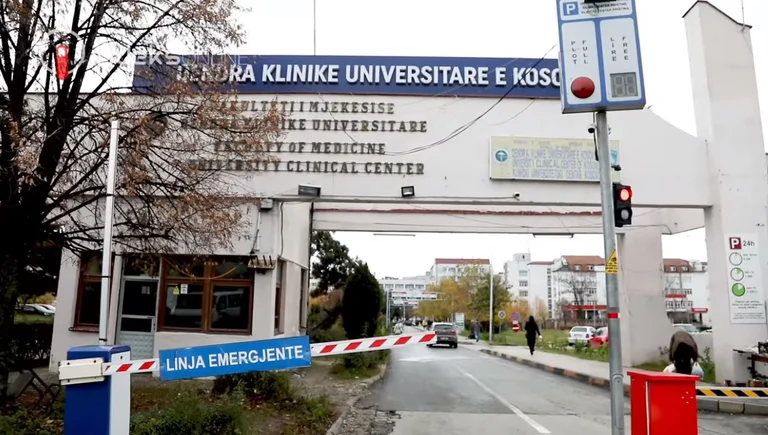
COMMF rejects daily payment for QKUK children's attendants: fall against law
Periskopi(5 months ago)
(5 months ago)The Coalition of NGOs for Children's Protection in Kosovo has expressed deep concern over the deployment of daily payment for parents, legal guardian/executors of children over 15 at KKUK clinics and general hospitals. Through a public reaction, the COMMF says this decision conflicts with the legal provisions in force [...]
Through a public reaction, the KMF says this decision conflicts with the legal provisions in force in the Republic of Kosovo and with international conventions.
“Children's Protection Law, Article 3, subparagraph 1.1, defines that: “The International Convention on Child Rights defines “the child” as any human being under the age of 18, unless by the law that applies to him, age is achieved earlier. Similarly, the Law for Rights and Citizens' Responsibilities in Health Care, Article 7.4, stipulates that the child has a right to have him next to the parent, legal representative, or neighbor designated by him or by legal representative”, says the announcement.
As a result, the KMF points out, limiting support or imposing financial burden on parents or legal stewards of children between the ages of 15 and 18 is contrary to the child's legal definition in Kosovo and violates the basic principle of child's best interest.
The presence of parent or legal guardian during hospitalization is essential to the child's emotional, psychological, and physical well - being. Such a decision violates the child's rights, risks creating additional obstacles for families and negatively affecting child access to health services”, said further in response.
Moreover, the KMF has estimated that in many cases parents or legal managers perform part of the supporting work within the health institution.
This contribution, according to the coalition, should be recognised and assessed, not sanctioned through payment deployment.
The KOMF called on institutions responsible for reviewing this decision and harmonising any administrative act with the legislation in force and international conventions, establishing at the centre the child's best interest.