18 hours ago
Four stages of sleep and what happens in each of them
Periskopi(5 months ago)
(5 months ago)During the night, your body passes through four stages of sleep. During these stages, brain waves, eye movements, and neurological activity change. All four phases last approximately 90 minutes, and the body passes through these stages about four to six times during the night. Four stages include two main stages: movement sleep of [...]
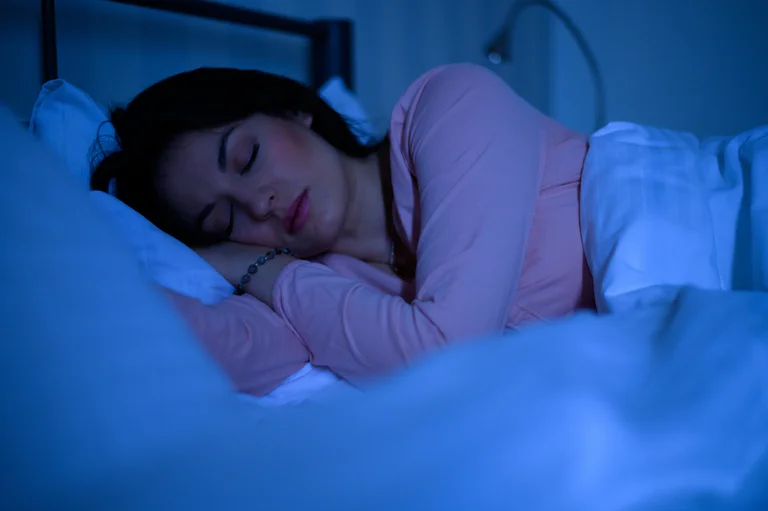
During the night, your body passes through four stages of sleep. During these stages, brain waves, eye movements, and neurological activity change. All four phases last approximately 90 minutes, and the body passes through these stages about four to six times during the night.
Four phases include two main stages: rapid eye movements (REM) and sleep without rapid eye movements (NREM). NREM is divided into three subcategories (N1, N2, and N3), bringing the total number of sleep stages to four.
Read further to learn what happens in your brain and body during each stage of sleep, as well as factors that affect the quality of sleep at each stage.
Stage NREM 1
This is the first stage of sleep and begins the sleep cycle. During this stage, you are awake easily. You've probably experienced this phase before, because it's what you go through when you start falling asleep.
Facts to this stage:
• It lasts between one and five minutes.
• Takes about 5% of your total sleep overnight.
• Body systems, including breathing, heartbeat, and eye movements, begin to relax.
• During this stage, muscles relax and small movements occur.
• Brain waves begin to vary from one day model to the night.
Stage NREM 2
In the second stage of sleep NREM, start entering a deeper period of sleep. Breathing and heartbeat slow down, muscles soften and relax, and eye movements decrease. The body temperature also begins to decline during this stage.
Facts to this stage:
• Lasts 1025 minutes.
• Voice about 45% of your sleep at night.
• Of all your sleep stages, you spend more time in the second stage.
• The time you spend at this stage is prolonged as night passes.
• The overall activity of brain waves decreases during this stage, but moments of electrical activity occur.
• If you were to become an ECG during this stage, “seep spindles” (swift neurologic blasts) and “K-complex” (brain waves).
• The second stage of sleep is where you are most likely to grind your teeth.
Stage NREM 3
This is the deepest stage of sleep. When you are at this stage of sleep, it may be difficult to wake you up. This is the most refreshing stage of sleep, and it is necessary to feel energetic and updated in the morning. If you wake up during this stage, you will likely feel sleepy and confused.
Facts to this stage:
• It takes about 20 to 40 minutes.
• Takes about 25% of your sleep at night.
• Longer periods of this stage occur during early sleep cycles.
• During this stage, breathing, heartbeat, and muscles are slow and relaxed.
• During this time, enter the sleep phase with a wave of delta or slow - wave sleep (SWS).
• Your body repairs its tissues and rebuilds its muscles and bones.
• Staying at this stage gives a boost to your immune system.
• Over the years, we spend less time at this stage of sleep.
• During this stage, there are more possibilities of walking in sleep or of bed moisture.
REM phase
REM (fast movement) is the sleep phase in which most dreams occur. This phase is characterized by rapid eye movements under eyelids. Although most dreams take place during this stage, some dreams can occur in other stages of sleep.
Facts to this stage:
• REM lasts between 10 minutes and an hour, and its duration increases as the night passes.
• The REM phase begins about 90 minutes after you fall asleep.
• The activity of your brain waves is more like the state of wake-up.
• Breathing gets faster, the heart beats faster, and blood pressure is closer to waking.
• During REM sleep, the body experiences a type of paralysis, preventing it from acting on what happens in the dream.
• Over the years, we spend less time in the stage Sleepy sleep.
• This is the stage where sexual excitement is most likely to occur.
Factors Affecting the Sleep Cycle
The quality of sleep and time spent in each sleep cycle depend on some variables. It is not unusual to have periods where you do not go through each stage perfectly.
Some factors that may affect sleep cycles include:
• Age: Over the years, we spend less time in deep sleep and REM.
• Mental Health: The quality of sleep is affected by mental health, including depression and anxiety. Clinical depression increases time in REM sleep, but reduces time between the beginning of sleep and the start of the first period.
• Sleep disorders: Disorders such as circus rhythm disorders, sleep offering, RAM sleep disorder, sleep sleep sleep patterns, and narcolepsy can affect sleep cycles.
• Brain trauma (TBI): Living with a TBI can have a major impact on sleep cycles, including less minutes in the RAM, waking up at night, and a short sleep span.
• Medications and substances: Alcohol, barbittures, and benzodiazepins are known to reduce time spent in REM sleep.
Often Asked Questions
• What if you don't spend enough time in REM sleep? There's not much research on what happens when we don't get enough sleep. However, less REM sleep is linked to lowering cognitive function and increasing levels of depression.
• Why do people wake up at 3:00 in the morning? The night wake is known as waking up at night. This can happen for many reasons, such as the need to urinate, disturbing noise, excessive consumption of coffee or alcohol at bedtime, or experiencing stress or anxiety. Night wakes may also be caused by sleep offering, limb movement disorder, night crises, and other sleep disorders.
• What stage of sleep is best for waking up? Usually, we wake up during a cycle REM, which is an easier stage of sleep, is thus easier. The hardest stage to catch is stage three. NREM, the deepest stage of sleep. People who wake up during this stage usually feel sleepy and may experience temporary disorientation and a drop in mood after wake.
A Quick Summary
Four stages of sleep describe four types of sleep that the body spends overnight. These stages include three stages without rapid eye movements (NREM) and a REM phase (with rapid eye movements). During a full night of sleep, pass through the four stages every 90 minutes and do so about six times every night./Periscopi/