9 hours ago
What can a glass of water do in the morning for your energy and driving
Periskopi(6 days ago)
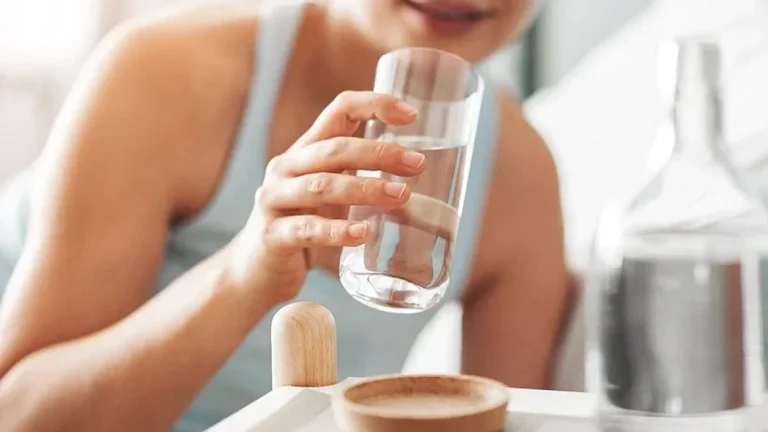
(6 days ago)After a good night's sleep, you may wake up feeling a little dehydrated. Even mild dehydration can contribute to low levels of energy, fatigue, and digestive problems.
According to Health, drinking a glass of water in the morning can restore hydration, support training, and help you feel more alert at the beginning of the day.
How water can affect energy levels this morning
Hydranation plays a key role in your alert and concentrated state. When you don't drink enough fluids, it can affect the flow of blood in your brain. You may notice fatigue, fog, or concentration difficulties.
In a study, young adults who were dehydrated for 12 hours had a slower reaction, greater fatigue, and less memory and attention time than those who were well - hydrated.
Another study revealed that drinking approximately two cups of water (500 milliliters) before bedtime and again in the morning can improve alertness and speed of reaction.
If your fatigue is caused by poor sleep, stress, or an existing health condition, drinking water may not make a marked difference. However, staying hydrated can help you to feel more vigilant and tired if dehydration is the cause.
What Can I Do About Training?
Drinking water in the morning can prepare your digestive system for the day ahead. Juice helps the food and waste move through the digestive leaf. When you don't drink enough, your shit can move slower, which can lead to constipation.
Water also keeps waste soft and easier to extract. Research shows that people who consume enough fluids and water - rich foods have a lower risk of constipation, and the risk continues to decline as they grow.
During the digest, the thin intestine draws water from the blood flow into the intestine to break the food.
Some people report that drinking water in the morning helps move waste, especially when combined with exercise or coffee. If you already drink enough fluids, you may not notice an important change.
Is drinking water the first thing your body needs?
Drinking water in the morning may be beneficial, but drinking time is less important than total taking.
Most women need approximately two quarts [2.7 L] of water a day, and men need about two quarts [3.7 L] of water, including beverages and food. Since food such as fruit, vegetables, and soups contains water, experts suggest that women drink approximately two quarts [2 L] of water a day, and men should drink three liters [three L] of water a day.
Starting the day with water can give you an advantage, especially if you forget to drink later.
How much water in the morning?
For most people, a glass of water (between 225 and 450 milliliters) is a good place to start. There is no need to drink too much water immediately, and that may be unpleasant.
Despite common claims, some beliefs about water in the morning are not supported by research:
- Warm water accelerates metabolism: Water temperatures do not significantly affect metabolism.
- Cold water's harmful to the digest: There is no solid evidence that cold water affects digestion. A small study suggests that very cold water can slow down your stomach and reduce your appetite, but research is limited. Cold water and the temperature of the environment hydrate the body equally.
- Drinking more than it should add benefits: Once your needs for hydration are met, additional water offers no additional health benefits. In rare cases, too much water can weaken sodium levels and damage normal body fluid balance.
Also, some people should limit their intake of liquids. If you suffer from heart failure, kidney disease, or are told to limit your drinking, talk to your health - care provider about how much to drink.
For most healthy adults, drinking fluids to satisfy their thirst is a good rule. The pale yellow urine usually means that you are well - hydrated. Dark urine may indicate the need for more fluids.
Who could benefit more, and who could not?
Some people are more likely to notice the benefits of hydration this morning.
The greatest benefits could be:
- People who don't drink enough fluids.
- People who are sensitive to the trap.
- Those who wake up feeling sluggish
- Older people who may not feel so thirsty
You might notice a little change:
- Those who already meet their daily hydration needs
- Those who drink most of their juices late at night
- Those whose fatigue is linked to sleep or health problems
Small habits, such as the beginning of the day with water, can make it easier for you to stay hydrated. If simple water seems to you the boring"", try adding lemons, drink plant tea, or eat water - rich foods like hydrated fruit. /Periscope/