7 hours ago
Simple Counsel to Keep Grieving Away During Summer

Periskopi(a year ago)
(a year ago)Heat is challenging, but perspiration is not your enemy, rather it is a vital function of the body. Drowning is a natural and vital process for the organism, which helps regulate body temperature. During the summer months, however, it can turn into an embarrassing and embarrassing problem for many. The sweat [...]
During the summer months, however, it can turn into an embarrassing and embarrassing problem for many. Not only does sweating affect physical comfort but it often affect self - confidence, daily performance, and personal hygiene.
Although sweat consists mainly of water and electrolytes, according to Mayo Clinic, its interaction with bacteria on the surface of the skin can produce unpleasant odors, especially in areas with acronic glands, such as armpits. Therefore, to keep the situation under control, it is important to understand the factors that affect perspiration and simple but effective ways to manage it.
With some slight changes in life - style such as diet care, choice of clothing, and personal care products, as well as stress management, sweat can be kept under natural and healthy control.
1. What you eat affects how much and how you sweat
Many people do not associate food with perspiration, but according to Harvard Health, certain dietary components stimulate sweat glands:
Caffeine (presented in coffee, black tea, chocolate) stimulates the attractive nervous system, increasing perspiration. Instead of hot express, choose a cold, caffeine - free coffee to reduce the effect.
The peppers contain capaicins, which of “mishtron” the heat receptors in the brain and stimulates sweat production as a cooling mechanism.
Alcohol increases body temperature and causes dehydration, forcing sweat glands to work harder to cool the body.
Practical advice: Include magnesium-rich foods, such as pumpkin seeds and Brazilian nuts, the WebMD points out that the lack of this mineral can exacerbate perspiration.
2. Stress Causes Stronger Breath
The sweat produced by emotions such as stress, anxiety, or fear is different from that associated with heat. It comes from acredulous glands, which produce a more complex (yndyrna and protein) sweat. This sweat, in contact with bacteria in the skin, is more likely to cause unpleasant odor.
The Cleveland Clinton suggests that stress management techniques, such as meditation, yoga, or controlled breathing, can significantly help reduce emotional perspiration.
3. Choose clothing that helps your skin to breathe
Dress affects how much and how much you sweat. Synthetic materials such as polyester and nylon prevent natural perspiration and block body ventilation.
Choose clothes made from cotton, linen, or bamboo fibers that are lighter and more ventilationable. Also, prefer bright colors that reflect sunlight and avoid dark colors that absorb it.
It's not water! Here's what the scholars defined as the best hydrant
4. Maintain hygiene - a simple but necessary step
High temperatures favor breeding of bacteria on the surface of the skin. So:
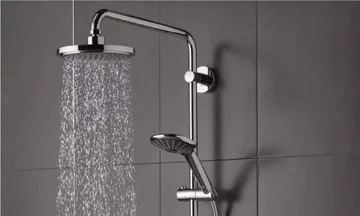
▪ Take a shower every day, especially after exercise or long stays in the hot environment.
▪ Depiling armpits reduces the surface of where bacteria can breed, helping to reduce the odor.
▪ Clean well and dry your skin to avoid irritability and infections.
5. Choosing the right deodorant is important
Not every deodorant is the same and not every product is harmless. Here's what you need to know:
▪ Use alcohol - free deodorants, especially if you have sensitive or irritated skin.
▪ Avoid aluminum products (such as aluminum chlorophydrates), which, while preventing perspiration from blocking, can have side effects.
Several studies published by the National Institutes of Health (NIH) have linked excessive exposure to aluminum with potential problems in the nervous system and higher risk for neurological diseases or breast cancer, even though this link is still not fully confirmed.
The safest alternative are mineral - based natural deodorates, coconut oil, or soda bicarbons, which neutralize the wind without interfering with the natural process of perspiration.
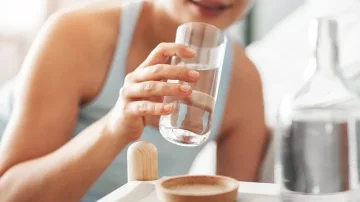
Remember, hydration is the key!
The sweat is how the body cools, but to function properly, it needs enough water. Centers for Disease Control and Prevention (CDC) recommends that in hot summer days you drink water all day, even when you don't feel thirsty.