4 months ago
Rafuna: Local businesses won't be competitive with free energy market exit
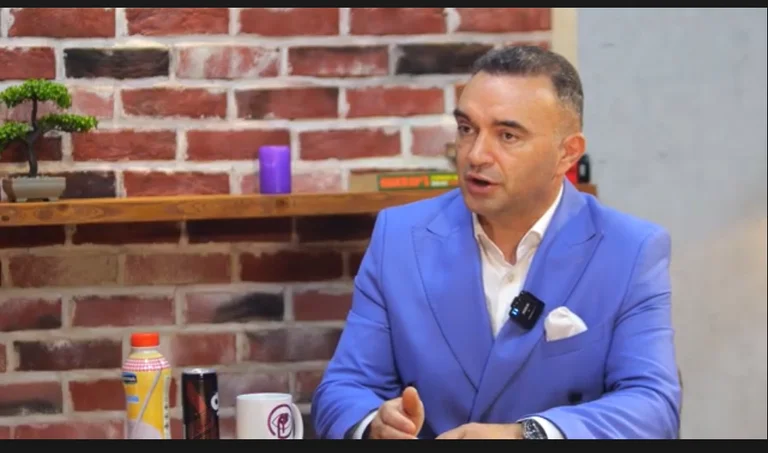
Periskopi(a year ago)
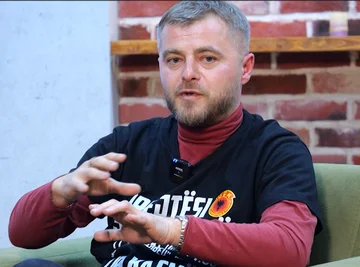
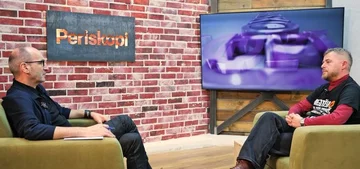
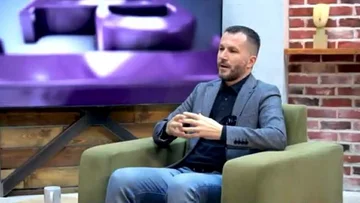
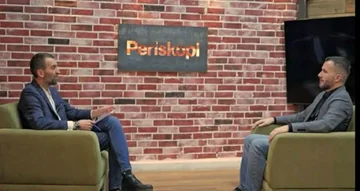
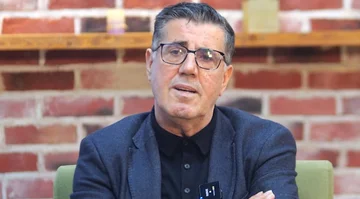
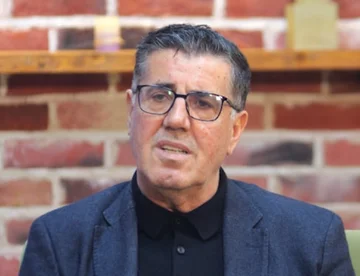
(a year ago)The chairman of the Kosovo Chamber of Economics (OEK), Lulzim Rafuna on the “Reel Talk with Maxhun”, which is broadcast in Periscop and T7, has talked about problems facing businesses and the consequences with the liberalisation of the Electric Energy Market. Rafuna has shown that they have held a meeting of over 400 businesses, describing the situation [...]
The chairman of the Kosovo Chamber of Economics (OEK), Lulzim Rafuna on the “Reel Talk with Maxhun”, which is broadcast in Periscop and T7, has talked about problems facing businesses and the consequences with the liberalisation of the Electric Energy Market.
Rafuna has shown that they have held a meeting with over 400 businesses, describing their plight because of free market exit.
It was a meeting of over 400 businesses. The purpose of the meeting was to see where we are with challenges. The negative effects have begun to reflect on business. During those five days each company has noticed that effect and the more burden that has begun to be reached by KEK reports and offers it had earlier by KESCO, if it wants to connect agreements. The offer has gone from 200 per cent more expensive to 400 per cent depending on the company and consumption that have had”.
The “was to engage and to appeal once again to the Government of the Republic of Kosovo that should be in the service of citizens in business service to find the opportunity and share a sub-veciation and prepare a package of measures during the transition phase about a year to prepare all, but first the market to move businesses to the free market. The market has not been prepared and has not yet been prepared because we have sufficient competition, we don't have sufficient supply numbers and no offers. So far it's an offer and it's KESCO that has offered. KEK has not yet created an offer just an invitation that we are willing to link to a” agreement, Rafuna said away.
Rafuna has said the main concern of businesses is the high price of electricity, which could lead to bankruptcy.
The main concern is that the price of electricity is much higher. The business has not had in its planning these extra expenses, there have been 100 other planned, regulated expenses with investment plans or even investment expansion. Now with this violent way out on the Free Market, this has created additional costs for businesses. This cost of electricity is operational cost and this directly affects the price of the product that the next citizen should buy”, he said.
Rafuna has shown that in the first five months of this year's export and import has reached 2 billion and a half, while import is small compared to export.
“Business is concerned, will no longer be competitive with imported product will lose the local market and also have a small market. We've been covered up by imports for the past five months, two and a half miles, we're approaching three billion import, while export still hasn't picked up 300 million, and this shows the best commercial deficit we've got in five months. Despite all of this, there will now be the possibility of our production, export and increased import”, he said.
The chairman of the Kosovo Economic House (OEK) has also raised a concern that Kosovo will face unemployment, as well as that results will be bought more expensive after the new electricity price.
And we're also going to lose the external market because our product is going to be more expensive, and we're going to lose demand for our product, and we're going to get production. When production breaks will free workers. And when the workers are released, unemployment is raised, and finally the citizen of the Republic of Kosovo as the last consumer that he has to buy the product more expensive at the new price of electricity than he has bought so far, and we embittered the citizen of the Republic of Kosovo with this polytic”, Rafuna said.