6 minutes ago
Germany-Turkey crash, Berlin blocks sale of fighter aircraft
Periskopi(a year ago)
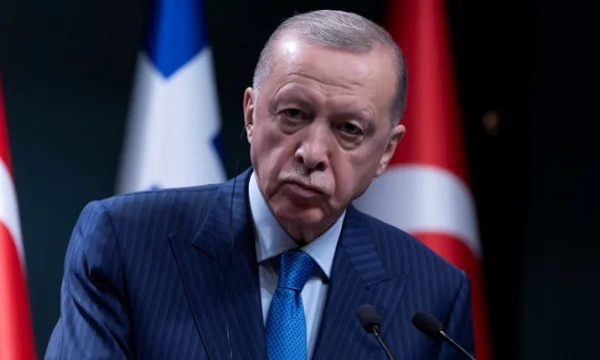
(a year ago)Germany has decided to block the sale of Eurofaster Typhoon fighter aircraft in Turkey, in a decision that has sparked new diplomatic tensions between the two countries. According to the prestigious German newspaper Handelsblatt, the government in flight from Social Democrats and greens has vetoed Ankara's demand for the purchase of advanced combat aircraft, [...]
Imamoglu was sentenced last month to corruption charges, which the Turkish opposition has described as politically motivated. Ankara's decision to ban it has been interpreted by Berlin as a “direct attack on Turkish democracy”, which according to government sources has legitimised a harsh attitude on the part of Germany in relation to military co-operation. The Eurofly sale was the focus of talks held months ago between German Chancellor Olaf Scholz and President Erdogan, but recent developments seem to have interrupted any progress achieved so far.
In the German political background, the decision has also prompted internal divisions. The party of future Chancellor Friedrich Merz, the CDU, has expressed more openly to Eurofly's export, noting the importance of the deal for the European defence industry and the strategic interests of co-production countries such as Britain, Italy and Spain. High CDU officials/ CSUs have demanded that the government not block the agreement for political motives, but take into account the broader European interest. On the other hand, Social Democrats and greens have taken a firm stand, urging Merz to use talks with Ankara to pressure Erdogan to free Imamoglu.
This decision poses a serious blow to Turkey, which is in an effort to urgently modernise its Air Force. Following exemption from the US programme of F-35 due to the purchase of the Russian S-400 defence system, Ankara has tried to compensate for the gap by negotiating the purchase of Euroflyers. Turkish plans include the purchase of 20 first generation planes from Britain during the coming year and then 20 more modern aircraft from the Tranche 4. However, due to the fact that Eurofaster is a joint project where Germany has veto rights, each export requires its approval.
In addition to these efforts, Turkey has intensified the development of its national plane, Kaan, but military analysts estimate they are still a few years away from the capabilities of a Eurofly level plane. Export blocking may force Ankara to see other options, including South Korean technology or possible co-operation with China.
This development could further complicate the fragile relations between Ankara and the European Union, as well as increase tensions within NATO, where Turkey remains a key ally on the southeastern side of the alliance. At the same time, Germany's blockade risks clashing political interests with the strategic interests of European partners in the Euroflyer project, opening a new debate on industrial autonomy of European defence and joint decision making on security issues. /Periscope