10 hours ago
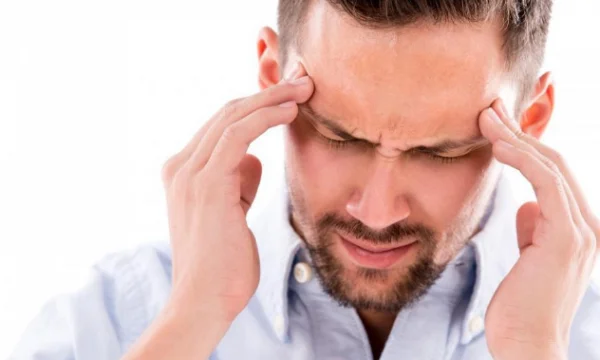
Calm down migraines with these methods at home
Periskopi(a year ago)
(a year ago)The treatment and medication described by your doctor can significantly help to control the worst symptoms of migraine. But did you know that there are also domestic methods that can help manage migraine symptoms and reduce the frequency of attacks? Although these tools do not [...]
The treatment and medication described by your doctor can significantly help to control the worst symptoms of migraine. But did you know that there are also domestic methods that can help manage migraine symptoms and reduce the frequency of attacks?
Although these vehicles do not cure migraines, some studies suggest that they can offer relief. A simple Internet search can bring a large quantity of information, so it is important to be careful with every method you read. Always consult your doctor before using any treatment for migraines, Telegrafi reports Periscope.
What are some ways to help with migraine?
In addition to medical drugs and treatments, there are several tools and lifestyles you can use at home to manage symptoms and prevent attacks.
Massage Your Head
Applying pressure on muscles can help alleviate tension and stress, which are common causes of migraine. Masages can also help improve the flow of blood, which can reduce pain. For people who are sensitive to touch, however, skalp massages may be uncomfortable.
Sleep
Oversleep or lack of it can cause migraine attacks. To avoid an attack or to avoid making symptoms worse, it is important to practice good sleep habits. This includes sleeping and waking at the same hour every day, avoiding presleep screen equipment, and exposure to natural light during the day. Sleep can also help if you feel an impending attack or are experiencing one, a brief sleep can help.
Exercise
Exercise is not recommended during a migraine attack or if you feel bad. However, physical activity has shown benefits in reducing symptoms and frequency of attacks. Light - impacted exercises, such as walking or yoga, can have a positive effect. Some have reported that exercise may even stop an acute attack.
Place a cold compass
Cold compressions have proved helpful during migraine attacks. Keep a cold compass or an ice bag to put on your head or neck when you feel that an attack is under way or that symptoms are difficult to manage. Some prefer warm compressors. Do not keep your compressions longer than 15 minutes and avoid sleeping in warm pillows because they can be dangerous.
Stay hydrated
Dehydration is a common cause of headaches and is thought to be a factor in triggering migraine attacks. Always hold water nearby, and try to drink at least eight cups of water a day.