6 minutes ago
IK KPS rejects finding in northern Macedonia for Kosovo water
Periskopi(a year ago)
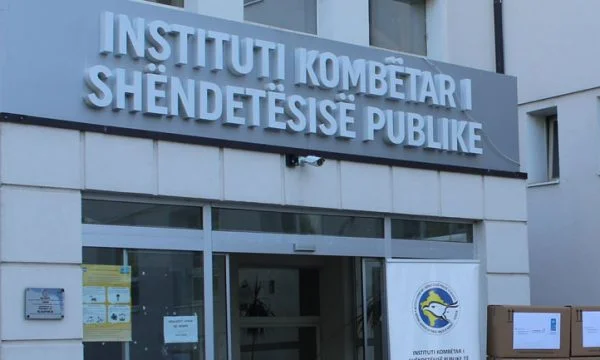
(a year ago)Source water “Rugove” is regularly controlled in the labs of Kosovo's National Public Health Institute “and “no harmful bacteria have been found for consumer health”, says Ergil Bince, director of Laborators for water and food analyses in this institution. In his statement a day after the Food Agency [...]
Source water “Rugove” is regularly controlled in the labs of Kosovo's National Public Health Institute “and “no harmful bacteria have been found for consumer health”, says Ergil Bince, director of Laborators for water and food analyses in this institution.
In his statement a day after the North Macedonia Food and Veterinary Agency announced it is inspecting all water shipments from Kosovo, since, as it said, some previous tests revealed the presence of coliform bacteria in a water sample.
The media designated in this country published the agency's decision, under which it refers to water samples “Rugove”.
This Kosovo company confirmed that its product is in order and that sales in the neighbouring state are continuing.
Kosovo's Food and Veterinary Agency did not answer questions about the concern its counterpart agency has established in northern Macedonia.
Likewise, the Sanitarian Inspectorate, which operates within the Health Ministry and is responsible, among other things, for proving Kosovo's well-being water quality.
What does I say? KSHPK?
Bince confirms that the company that produces water “Rugove” is constantly testing IKSHPK “even for stocks that export out of the country”.
He believes the remarks that have mentioned the competent North Macedonia authorities, concerning the “yield of the coliform bacteria” in the ambalized water “Rugove”, do not stay.
“This bacterium that they mention, we never found, not only in the water Rrugoveu, but in none [of the well-managed waters of other Kosovo companies]”, says Bince.
He adds it is important that the Kosovo Food and Veterinary Agency take on a more active role, going to northern Macedonia and independently verifying the source of the problem.
IKSHPK water expert Burbuke Nushi-Latifi expressed surprise at the findings of Macedonian colleagues.
According to her, it may be the human malpractice “in the laboratory or at the diagnosis”.
“While processing [water], dirty hands can carry [bacterin]... just one colony, two, three or four. Then they develop into water because water is vital not only for people but also for bacteria”, says Nushi étif for Radio Free Europe.
According to data from the North Macedonia Public Procurement Bureau, there are 23 institutions in this country, which, through a company there, supply water to “Rugove”.
Some of these institutions like the Ministry of Public Administration confirmed in Skopje that they have consumed and continue to consume water “Rugove”.