23 minutes ago
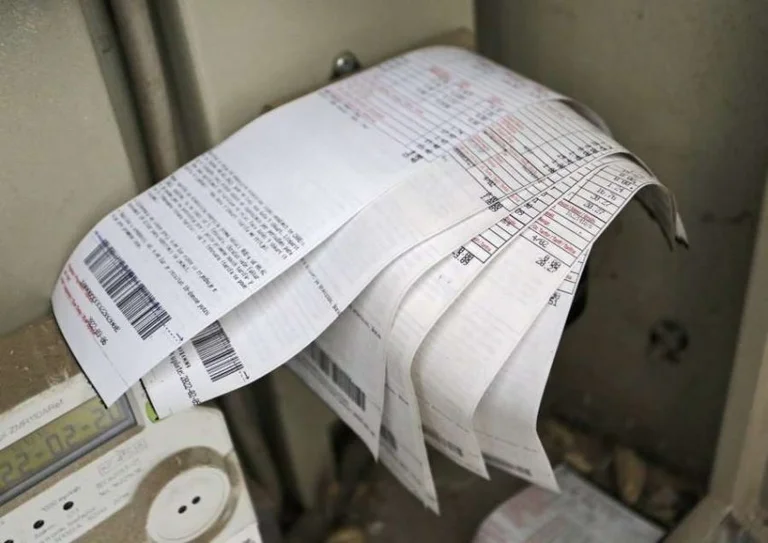
New energy tariffs, analysts: If there are no objections from executive and citizens, on April 1st bills will be expensive
Periskopi(a year ago)
(a year ago)This year's rise in electricity tariffs has been assessed as inevitable by expert field. They say citizens and executives should reject the 35% increase, as requested. But from the Ministry of Economy, they have declared that the ZERE is an independent institution that examines and sets the fees [...]
Whether electricity will be expensive in April, the Ministry of Economy has given the Energy Regulatory Office the issue to decide.
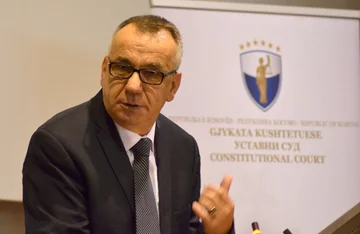
“Energy regulator (ZRRE) is an independent institution that exercises competencies for energy sector regulation and makes the review and the annual appointment of electricity tariffs. On the issue you have asked questions for, please refer to the last communiqué issued by ZERE”, say about RTK from the Economy Ministry.
They told him from the ZERE RTK's that they're in the ECDS application assessment phase of KESCO and COSTT, which include energy expensive demand.
Energy recognition has stated that if there is no objections from executives and citizens, on April 1st bills will be significantly expensive.
“They have demanded that you be allowed access to over 400m euros and is an increase of around 40m euros. This is based on consumption done in 2024 and forecasting for 2025, so the 35% increase is inevitable if there is no opposition from citizens and state institutions”, said Lulzim Beqiri, energy connoisseur.
According to Beqiri, to avoid costing electricity in the coming years, more investments have been required in the sector.
The increase in tariffs is estimated to be inevitable due to lack of energy production, as well as the need for additional import.
“K E SCO, KEDS and COSTT have submitted apps to the ZRRE, starting with the lack of electricity output from KEK during 2024. The need for additional imports shows that an increase of electricity tariffs is inevitable during 2025 because it is due to a minus that has KESCO and KEDS, down to 80m euros that they seek to compensate for in the period 2025-2027”, said Adurm Haxhimusa, energy expert.
“Globally has increased electricity spending. Kosovo is basically behind, depends on how many state institutions, the Ministry of Economy and the government allocate funds for capacity building. If we go with rehabilitation, I believe we've been having problems for 10 years now. So it would take a better investment strategy to increase production capacities. Otherwise we will have to import and the cost of import is extremely high”, said Lulzim Beqiri, the expert in energy.
RTK has also called for a position by the Government of Kosovo, but it has not been declared whether to reject the raising of tariffs, according to operators' demands.
The Energy Regulatory Office said on Tuesday that citizens and other parties could provide comments and suggestions regarding new electricity tariffs.