8 hours ago
Some dietary advice if you are fasting Ramadan
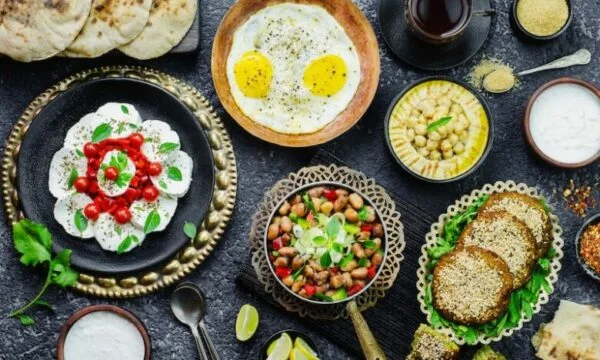
Periskopi(a year ago)
(a year ago)With the coming of the month of Ramadan, for the next 30 days, Muslims worldwide fast, refraining from food and drink from dawn until dusk. Nutritionists believe that fasting is very useful. Fasting has numerous priorities that positively affect both physical and mental health. [...]
Nutritionists believe that fasting is very useful. Fasting has many advantages that affect both physical and mental health.
Renowned Bosnian swimmer Kenan Mandra has explained to Klux.ba what the benefits of fasting for mental and physical health are.
Fasting, besides having spiritual meaning, also contributes to cleansing the organism of poor eating habits, which has been confirmed by numerous clinical studies. Today, fasting has become a global trend associated with good health, primarily hormonal regulation, reduced inflammation, improved heart health, reduced cholesterol, and strengthened brain function. In addition, it can help control”, he claims.
He points out that it is important that fasting conform to the energy and nutrients of the organism's needs to benefit from all the benefits of fasting. Therefore, it is important to pay attention to foods consumed between the day of fasting and to the start of the repetition of fasting - in the days of Iftar and Sehir.
One of Mandra's advice is not to overlook sehoor, stressing the importance of a healthy nutritious meal.
The object of the serum is not to fill your stomach with as much food as possible. Fear of hunger is totally meaningless, considering that we can stay without food for weeks while fasting lasts only half a day. A smaller but high - quality meal will be a far better strategy than overindulgence.
It is also important to eat slower, resulting in your feeling that you have eaten much more.
If you eat slower and chew longer, you'll feel like you've eaten a lot more food than you actually got”. This trick helps people to eat fast and not chew enough - chronic hunger. During the selection of food, proteins and fats of animal origin, such as eggs, meat, fish, fat cheese, butter and olive oil will be a fine ally of fresh vegetables and vinegar and lemon”, Mandra says. .
Dietologist recommends that iftar be divided into two parts
Even though there is a rich iftar meal in our tradition, by doing so you create the next extreme of all fast benefits, so a better strategy is to break fast with only a few water, then wait five minutes and then continue with it. Iftar”
This trick will help you to feel satisfied in real time because this sense of satisfaction is often delayed, so we eat too much food. After the dates, eat a fresh salad that will have an intense flavor and aroma that you rarely experience. Only then do you focus on meat, whether it's beef, chicken or fish, but the port should be no bigger than a handful, take small bites and chew slowly and eat slowly. Do not drink water immediately after iftar, but wait an hour. Leave your dinner for later before bedtime. Then it is good to eat soup or a cooked meal. Never skip dinner because it's the most important meal of the day”, he adds.
Mandra believes Ramadan is the ideal period to change eating habits.
Fasting requires giving up, so try to stop all bad habits and eating habits, including sugar consumption, dough, fluids, industrial and fast foods. The abstinence crisis is much smaller if you have a good motive, which is just Ramadan. So apply the popular principle that a third of your stomach is eating, a third is to drink, and a third to remain free. “Eat less and be healthier”, he concludes.