8 hours ago
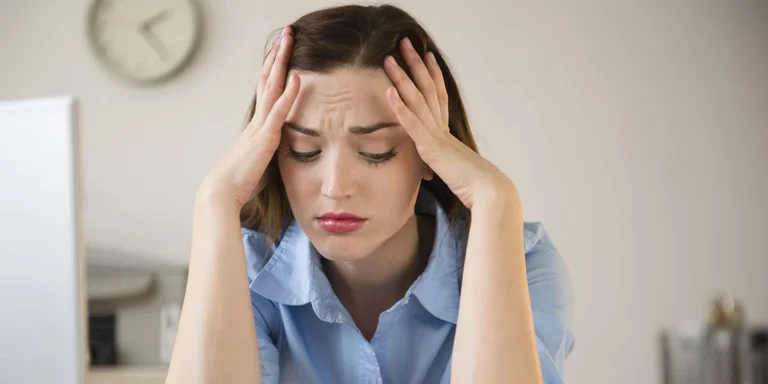
Signs showing that you are more stressed than you seem
Periskopi(a year ago)
(a year ago)Contemporary stress continues to be widespread, continuous, and secret because it stems mainly from psychological rather than physical threats. It is linked to entrenched and immediate reactions over which we have no control that were originally designed to be useful. There is almost universal consensus that stress is one [...]
Contemporary stress continues to be widespread, continuous, and secret because it stems mainly from psychological rather than physical threats.
It is linked to entrenched and immediate reactions over which we have no control that were originally designed to be useful.
There is almost universal consensus that stress is a health problem of epidemic proportions. Stress is considered literally “The 21st century health epidemic” by the World Health Organization (WHO).
But why is stress so widespread?
Perhaps the main factor behind the stress epidemic is ignorance. We've just accepted this type of stress like “part of life”.
Of course, we cannot prevent stress. But... stress is mean.
When we are stressed, some reactions occur: Baby eyes tighten, blood vessels tighten, heart levels increase, breathing becomes weak, and so forth. But we really don't think about it. We experience it and let it pass.
But this common response <x0auto-pilot” has consequences, especially if one person's stress levels are high and have been for a long time.
Stress is the #1 killer of human beings. Chronic stress is related to the six main causes of death:
Heart disease
) cancer
lung disease
Accidents
liver cerosis
Suicide
10 HOLYS SUFFECTIONS
As noted earlier, stress has a way of destroying “It promotes an autonomous response that most people pay little attention to.
1. Hard to Make Decisions
Stress interferes with a person's ability to make decisions, especially if a decision has a significant consequence. Stress also negatively affects how one perceives danger and reward.
2. More Conflicts About Your Partner
It is a fact that when one's relationship is stressed, it will certainly affect the other. Because of the physical and psychological effects of stress, conflicts such as argument, guilt, and criticism soon surface.
3. The Change in Emotion
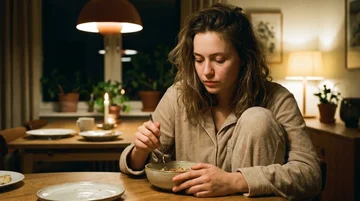
Hormones responsible for appetite or encourage someone to overgrew or make him hungry. Leplin and the hornet are two hormones that regulate the appetite. The first nurtures a desire to eat, and the latter creates a sense of satisfaction.
Approximately two thirds of chronically stressed people eat, while the rest are more inclined to leave the table.
4. You feel tired
Stress begins the brain's nerve activity in fatigue. Heart and respiratory rhythms increase. If the brain is allowed to remain in this state, which consumes a disproportionate amount of body energy reserves, the result is often a tired mind and body.
5. Low Self - Confidence
While the exact explanation is a little dark, there is a conglomeration between stress hormones and depressive symptoms. An example of this relationship is the tendency of chronically stressed people to show lower self - esteem.
6. Focus and Memory Problems
If an individual does nothing about the high level of stress, he risks developing chronic stress.
When this happens, our brain's ability to harmonize “becomes less distracted, hindering their ability to concentrate. The rapid release of cortisol hormones in the hippocampus also damages memory.
7. Being impatient and frustrated
This side effect of stress comes to the oldest part of the human brain: amigdale. Stress activates amygdale. Your brain perceives stress as fear.
8. Changes in Sleep
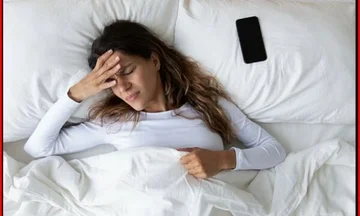
For the National Sleep Foundation, “... people under considerable stress may have insomnia. Stress causes insomnia by making it difficult to fall asleep and stay asleep (due to stress hormones raised in blood) ... (and) reducing stress should alleviate insomnia. ”
9. Feeling Less Social
Obviously, stress is confused with the delicate balances of chemicals, which are very important to overall health and well - being.
Social attraction. Isolation is most common when a person has handled extremely high levels of stress for a considerable period of time. This may be attributed to a type of chemical imbalance, perhaps even depression or anxiety.
10. Increasing Alcohol, nicotine, and Other Drugs
Stress is a psychological response that no one likes to experience. To facilitate this terrible response, some people choose to recover themselves through the use of alcohol, nicotine, or other substances.
Over the long term, the use of such substances can become an addiction. While used as a high-speed “x1>, continued abuse of harmful substances can exacerbate any health problems.