4 minutes ago
Reuters: Kosovo feels EU sanctions pain as elections approach
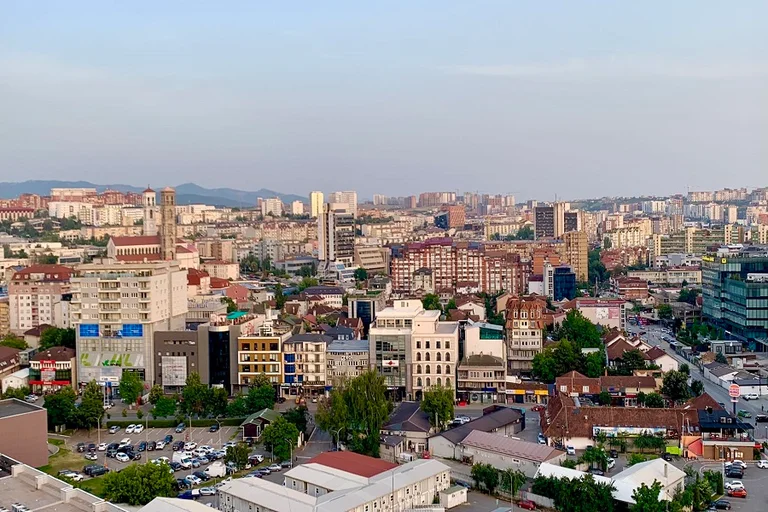
Periskopi(a year ago)
(a year ago)For decades, Kosovo's Lumbard cinema has given locals a window in the outside world in Prizren. He has shown films from Japan, China and the United States and has hosted international artists for his annual documentary film festival. But this event [...]
For decades, Kosovo's Lumbard cinema has given locals a window in the outside world in Prizren. He has shown films from Japan, China and the United States and has hosted international artists for his annual documentary film festival.
But this event has faced financial problems and was being based on a 1.5m-euro grant from the European Union for the renewal of heating and sewer systems, according to its executive director, Ares Shporta.
Later, on October 7th, Shporta received an email from EU officials saying the grant had been canceled due to the “continuing measures imposed by the European Union on the Government of Kosovo” a reference to the cuts of EU funds approved in 2023 for what the bloc said was Prime Minister Albin Kurti's role in promoting ethnic tensions in northern Kosovo, which has a Serb majority, Reuters writes.
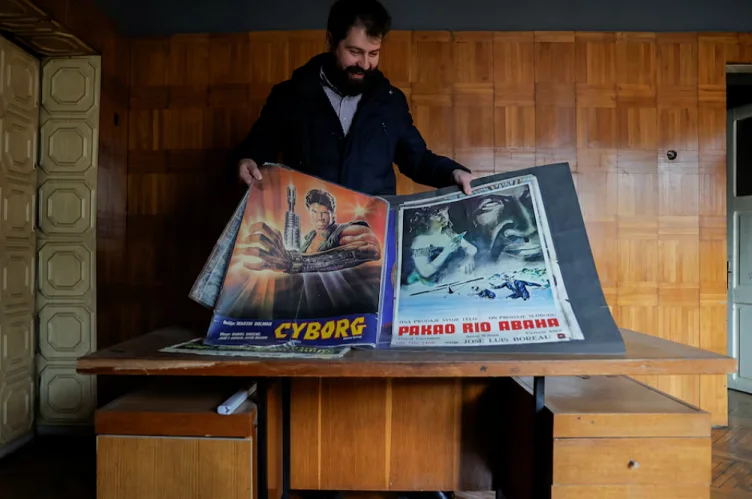
This shook community confidence in us, but also in The EU, which claims it is in support of cultural diversity”, said Shporta in Lumbardhi's lobby, where a noisy heater warmly held a host of clients.
While the EU has not made a list of affected programmes, two sources -- including a senior diplomat -- told Reuters that more than a dozen projects totalling at least 150m euros have stalled following EU restrictions. These include an facility for handling the 70m-euro sewage and a renovation of the concert hall. Sources spoke on condition of anonymity in order to speak up.
Pristina has downplayed the measures, but the fate of Lumbardhi and other projects identified by Reuters shows the impact on one of Europe's poorest countries.
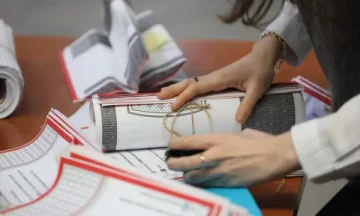
The issue has resurfaced as Kosovo -- which is in majority ethnic Albanian -- but home to about 100,000 ethnic Serbs -- prepares for the February 9th elections. And this could burden Kurt's chances of re-election, three analysts said.
Two separate private polls with Reuters showed Kurti Vetevendosje's party and its coalition partners, with about 40% of the vote, down from 50.2% it received in 2021. Some Kosovars are concerned about the isolation of their country, according to political analyst Agon Maliqi.
While most voters may be satisfied that Kosovo has more control over the north, many may not be convinced that this is sustainable without international support”, he said.
Some EU states want to lift the measures because they have not changed Kurt's policies and affected ordinary citizens, the senior diplomat and another official with direct knowledge of the situation told Reuters. But there are objections from countries, including France and Serbia's friendly Hungary.
The diplomat said the sanctions were in unfair aim of Kosovo, rather than its northern neighbour Serbia, which has also played a role in fuelling tensions. But they added that there were no mechanisms to restore restrictions, despite their lack of efficiency.
An EU spokesman described the measures as temporary and returnable “, but did not say which projects were hit. They said the EU will lift sanctions if Kosovo escalates tensions in the north.
The Kosovo Government's “Actions... have so far not been favourable for this purpose”, the spokesman said.
Ethnic Tensions
Kosovo gained its independence from Serbia in 2008 with support from the United States, which included a 1999 bombing campaign against Serbian forces.
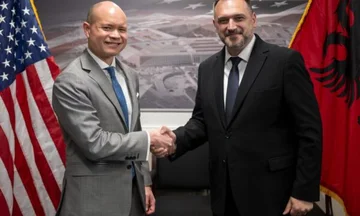
Former US President Bill Clinton's face smiling at a billboard on a boulevard in downtown Pristina. Some Kosovo political parties still carry an American flag in their headquarters.
This alliance was tense under Kurti, who has promised but failed to repair relations with Serbia, which would pave a way for EU membership.
The 50,000 Serbs living in northern Kosovo do not recognise Pristina institutions. Most see Belgrade as their capital and rely on it for salaries, pensions and health care.
The EU has asked Pristina to establish an association of Serbian municipalities to allow greater self-government for Serbs. Fearing the secession, Kurti has rejected the proposal and has instead sought to erode the autonomy of Serbs in the north.
The prime minister protects his policy, saying it has reduced crime, created jobs, promoted peace and averted a more powerful aggressor in Serbia.
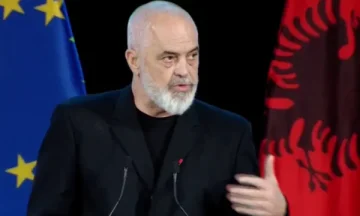
“We have not done this against Serbs: we have done it against Serbia because it is against Kosovo and our nation”, Kurti said in a campaign speech last month.
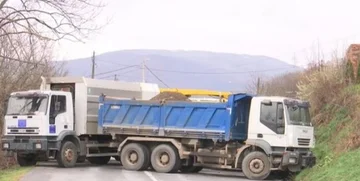
However, his movement to place ethnic Albanian mayors in Serb-run municipalities and force ethnic Serbs to use Kosovo license plates on their cars caused the worst violence in a decade in 1923.
Despite EU sanctions, Kurti continued. His government declared the use of the Serbian dinar illegal, closed Serbian-run post offices and banned trade among countries.
Kosovo is isolated and penalised by the international community”, Vlora Citaku said from the opposition Democratic Party of Kosovo, which served as Kosovo's ambassador to the United States.
Any major success we've achieved in the last two decades, freedom, independence has been achieved because we've been working closely with Allies”.
It is unclear how the administration of the new American president, Donald Trump, will react. But Richard Green, Trump's presidential envoy for special missions, gave an allusion Monday.
“As Republicans and Democrats have consistently criticised Kurti for unilateral acts destabilizing the” region, he wrote in X.
The international community is united against Kurti”.
The U.S. State Department did not respond to a request for comment.
Election Influence
Kurti, one Albanian left and nationalist, has been monitoring several benefits since coming to power in 2021. Unemployment has been reduced from 30% to about 10%, minimum wage has increased, and last year the economy grew faster than the Western Balkan average.
Meanwhile, Kosovo's north feels split as never before. Education, health care, shops and cafes are divided. The bills from Serbian shops still award prices in dinars, not in euros. Communities live apart, even the style of houses differs between the two groups.
Because Belgrade does not recognise Kosovo, it is still paid salaries and pensions to Serbs there. But Serbs have to go to Serbia to get them since Kurti closed post offices run by Serbs over the past year.
Meanwhile, the closure of several border points for Serbian goods has overwhelmed trade, forcing others to cross the border to buy medicines described by Serbian-run hospitals, Reuters writes.
Serbian pensioner Dragoljub Ivic, 65, who lives in Gracanica, a Serb-run municipality near Pristina, must go to Serbia every month to get his pension of 500 euros. Only travel costs 50 euros, he said. 10% of the monthly payment.
“In Kosovo, the people are paying for politics”, said Ivic, who saves money by keeping in a room in his modest house, which he warms by opening the door of his wooded oven.
He says tensions are much worse now.
They want to force Serbs [to leave] Kosovo.
Polluted Water
People of all ethnicities are feeling the sting by EU sanctions.
The EU had promised 70m euros to build the first sewage treatment plant to clear the Pristina garbage-blocked system. That plan has stalled, said Pristina Deputy Chairman Alban Zogaj.
After decades, we were finally solving the issue of sewage treatment that is polluting the river of Sitnica, one of the most polluted rivers in Europe.
Raw sewage is released into channels. Their shores are full of abandoned dishes, boxes, and bottles. When rain falls and water rises, hanging trees are decorated with suspended plastic sheets.
The sewage flows near the home of Sanije Thaci, who cannot open windows because of the wind.
I don't have words to describe what we're going through”, Thaci said, standing near the fast stream of a channel.
“As you can see, there's no solution to” here.