8 hours ago
How Red Flesh Affects Type 2
Periskopi(a year ago)
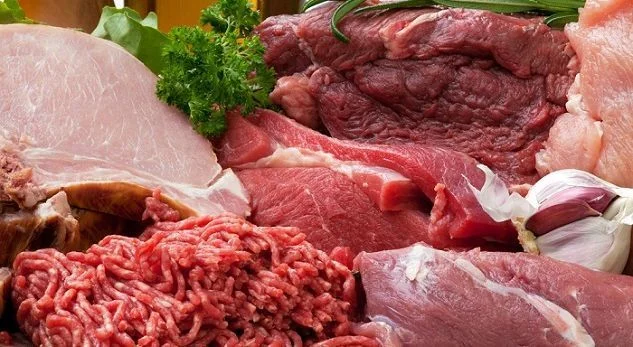
(a year ago)Red meat has been part of diets worldwide since early mankind and is an excellent source of protein, vitamins (such as those of group B) and minerals (such as iron and Zink). However, red meat has long been linked to increased risk of heart disease, [...]
However, red meat has long been associated with increased risk of heart disease, cancer, and premature death.
What may not be so familiar is the connection between red meat consumption and Type 2 diabetes, writes the Conversion.
A study published in the magazine “The Lancet” in September 2024 identified this link using data from America, the Mediterranean, Europe, Southeast Asia and the Western Pacific (including 20 countries).
This latest study, with nearly 2 million participants, found that high consumption of raw red meat, such as beef, lamb, and pork, as well as refined meats and sausage increased the likelihood of Type 2.
Type 2 diabetes is a serious health issue affecting 462 million people worldwide.
This situation occurs when our body does not produce enough insulin or cannot make good use of it.
Red meat contains high fat levels filled with and low fat levels that can negatively affect insulin sensitivity.
Research also shows that a high consumption of proteins from animal resources (as opposed to vegetarian resources) may increase the risk of Type 2 diabetes, perhaps because of high levels of chain acids (BCAA) in animal proteins.
Another possible mechanism included intestinal microbiotics, the collection of microbes in our intestines.
Microbiates metabolize the colina (an essential nutrients) and L-carnitine (a naturally food amino acid), both of which are present in abundance in red meat, producing tritomeilamine. The high levels of bellimanin are linked to a higher risk of developing Type 2 diabetes.
The way we cook meat can also affect us. During cooking at high temperatures, such as barbecues, harmful ingredients are created called “advanced end products of glucose. ”
These components can damage cells because of toxic stress, cause inflammation, and increase insulin resistance.
As winter festivals approach, lowering red meat consumption can be challenging, especially for those who love the taste.
But try to associate these meals with fiber - rich vegetables for a healthier balance.
Small steps, such as reducing farts or choosing a week without meat, can help reduce the consumption of red meat. For days when you consume it, try healthier methods like boiling or preparing in pans instead of grilling, the shneta newspaper reports.