a few seconds ago
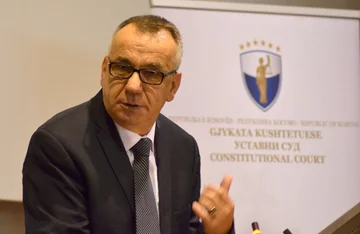
Krasniqi with criticism: In Kosovo there is a tendency to disrupt things that have worked well
Periskopi(a year ago)
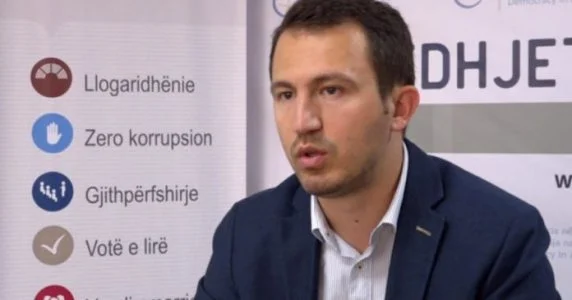
(a year ago)Albert Krasniqi from Democracy Plus has criticism of the new election law, saying that in Kosovo, there is a tendency to disrupt things that function. Krasniqi on a Facebook note said all of this had been warned, beginning with the vote count, which he says: “The lack of votes [...]
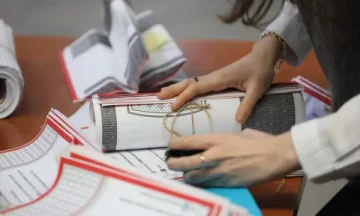
Krasniqi on a Facebook note said all of this had been warned, starting with the vote counting, which he says: “The appointment of candidates' votes in municipal counting centres, separate from the votes of political subjects, not only incompatible with international standards, but also in a complicated electoral operation for which we do not have qualified staff”.
Full Posting:
In Kosovo, there is a tendency to disrupt things that have worked well. Some changes in the Law on the General Elections, which we had long warned about, testify to this.
1. Counting candidates' votes at municipal counting centres, separated from the votes of political subjects, not only does it not comply with international standards, but it is also a complicated electoral operation for which we do not have qualified staff. It was barely managed by a QNR, leaving it in 38 municipalities. This change causes delays and increases tensions.
2. Increasing the number of preferences for candidates from 5 to 10 do not match voter behavior. So far, they barely selected four candidates from the list. This change has created a stir at the polls, extending the time the voter spends in the cabin and reducing the likelihood that local candidates will be represented in the Assembly.
3. Physical voting in diplomatic representations is a costly process, difficult to manage and open to abuse. For the small number of voters who participated, the change is not worth it. The reliefs made for the postal vote at embassy addresses have reduced the costs for exiles, who had previously to use expensive postal services to ensure that their vote arrives in time in Kosovo.