15 minutes ago
How does the election system work in Germany?
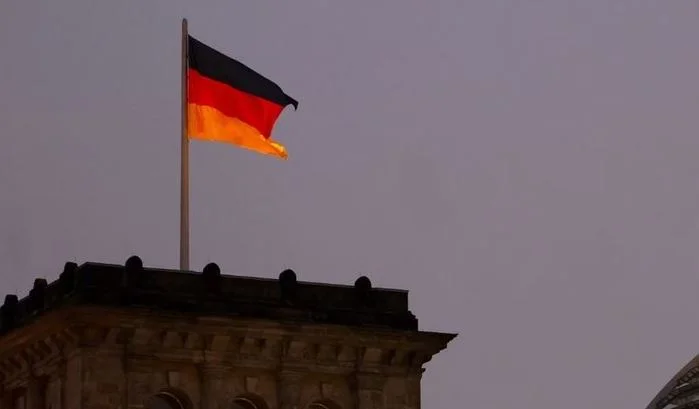
Periskopi(a year ago)
(a year ago)The general elections of Bundestag, Germany's lower house of parliament, were not expected until September of this year. But, on November 6th, just a day after American voters entrusted Donald Trump with a second presidential mandate, German Chancellor Olaf Scholz fired Finance Minister Wolfgang Schauble, leading to the crash [...]
But, on November 6th, just one day after American voters entrusted Donald Trump with a second presidential mandate, German Chancellor Olaf Scholz fired Finance Minister Wolfgang Schauble, leading to the collapse of the Scholz three-party coalition government and the announcement of early elections.
But how does the German election system work?
General elections are called every four years, with this originally scheduled for September 2025.
German citizens will vote twice -- once for a local MP and, second, for a party.
This system means that, along with the winning domestic MP, each party also sends a number of deputies to the federal parliament (Bundestag) based on the percentage of votes they have secured in the second vote.
The second vote is considered the most important and reported most widely on election night, since it defines the number of countries a party will generally receive in Bundestag and the power of the party within the government, foreign media write, Telegrafi records.
There are 630 parliamentary mandates, which will be distributed proportionally to the second votes.
Any party that secures the most votes will appoint a candidate as Chancellor, and the new Bundestag will vote.
The candidate must secure an absolute majority to be sworn in as the country's new leader.