6 hours ago
Sorensen to extend mandate for two years as mediator in dialogue Kosovo Serbia
Periskopi(6 months ago)
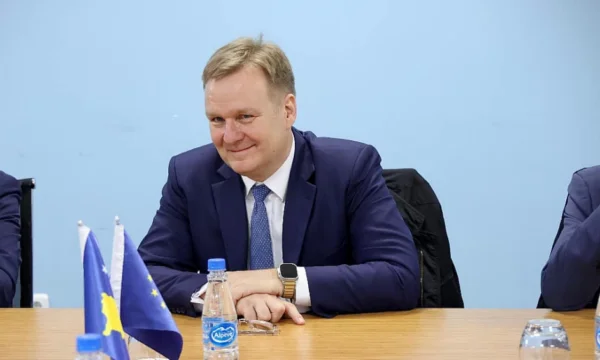
(6 months ago)Diplomatic sources agree that dialogue is in crisis, but that's why they leave it to Kosovo and Serbia, not to the EU mediator. Danezi Peter Sorensen will continue for at least two years as the European Union's special envoy for dialogue between Kosovo and Serbia. The member states [...] have already agreed to this.
Danezi Peter Sorensen will continue for at least two years as the European Union's special envoy for dialogue between Kosovo and Serbia. Member states have already agreed and are expected in the coming weeks to only formalize.
This is learned from diplomatic sources in Brussels, which say the EU Council must also endorse the budget for the work of Sorensen's team. For the continuation of Sorensen's mandate, the proposal had been given according to procedures by High Representative for Foreign Policy and Security Kaya Kallas, and with that, after several discussions in Council structures, member states have been hired.
Our current mandate expires in February of next year, as he was originally appointed to the post for only 13 months. This, since at the time in the EU, was not sure how they feel about approaching dialogue after the end of Miroslav Lajcak's mandate, reports Time.net, broadcast Periscope.
Diplomatic sources agree that dialogue is in crisis, but that's why they leave it to Kosovo and Serbia, not to the EU mediator.
Even in EU documents, both in progress reports and in the draft conclusions expected to be adopted at the EU Council meeting, it is said that neither Kosovo nor Serbia have properly fulfilled obligations from the dialogue.
During the first year of Sorensen's mandate in the post of special envoy for dialogue, there have been no high-level meetings, while meetings at the level of chief negotiators have produced no progress. Those meetings have only been used to exchange the parties' charges against each other, while the EU has only expressed dissatisfaction with the lack of the will of the parties to fulfill their obligations.
For lack of progress in dialogue, the EU this time finds its cause in the domestic political situation in both Kosovo and Serbia. But even under these conditions they say that High Representative Kaya Kallas remains ready to organise a high-level meeting once the parties are ready for that. But this is not expected to happen before the new elections process in Kosovo is completed and the government is established behind them.
Although there has been no progress in dialogue, the EU believes it can rise and that the parties will understand the damage they do to their countries if they do not make progress in the process of normalising the reports, as that progress is also a condition for their European journey and for the benefits of the Western Balkans' growth plan. /Periscope/