6 hours ago
Italy recognises childicide as a criminal offence, sentence is life imprisonment
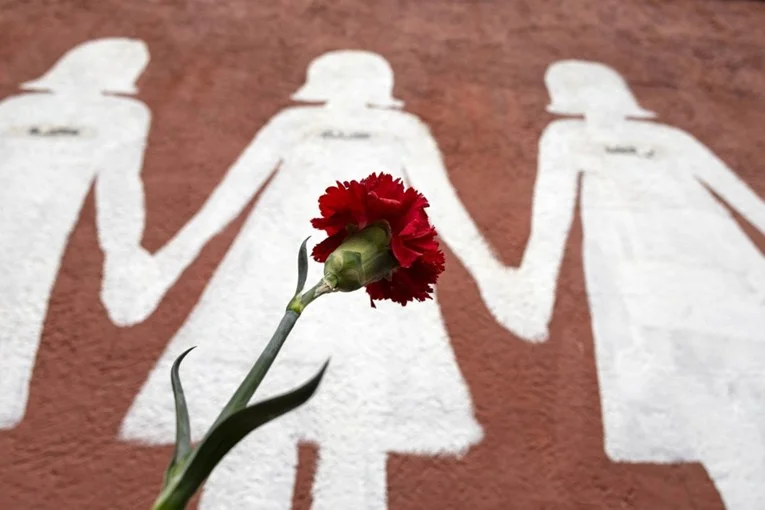
Periskopi(6 months ago)
(6 months ago)Italy has joined rare European Union countries that have designated childicide as a particular criminal offence punishable by life imprisonment. Although the law has been hailed as an important step, experts voice doubts about its true preventative effect. This action was prompted by a wave of anger [...]
Although the law has been hailed as an important step, experts voice doubts about its true preventative effect.
The move was prompted by a wave of anger following the 22-year-old Giulia Ceccettin assassination in 2023, which caused a national debate over the murder of women and state failures, Eukavi reports.
So far, only Cyprus, Malta and Croatia have defined the childicide as a special criminal offence, while in the rest of the bloc, gender-based motive is part of existing laws on domestic murder or violence.
Therefore, Italian reform represents an important step forward. The new provision of the Criminal Code defines the murder of women as an independent criminal offense punishable by life imprisonment.
The law applies when a woman is killed because of discrimination, hatred, or an attempt to control, which involves cases of violence because she refuses to start or continue a relationship. It also covers the murders following the link involving children, which, according to lawyers, often reveal continuing “possessive dynamics”.
According to data, between January 2025 and October 20, 85 women were victims of deliberate murders, a decline from 102 in the same period in 2024. Despite the slight decline, the percentage of women among all homicide victims reached the highest rate ever recorded in Italy more than a third of all people killed were women.
What especially characterized the adoption of the law was the scope of political support. The reform was approved by 237 votes for and none against, uniting parties that rarely agree on judicial policy.
Prime Minister Giorgia Melon declared the result as proof of <x0 national determination” against gender-based violence, while centre-left leader Eli Schlein described interparty co-operation as a key signal for an issue otherwise partitioning parliament. /Periscope/