6 hours ago
“The Guardian”: Europe is rapidly losing fresh water
Periskopi(6 months ago)
(6 months ago)Large parts of Europe are rapidly losing fresh water, according to a large analysis of satellite data involving a period of more than two decades. Scientists in “University College London”, in collaboration with “Watered Investments” and the newspaper “The Guardian”, found that the total amount of water has dropped significantly into [...]
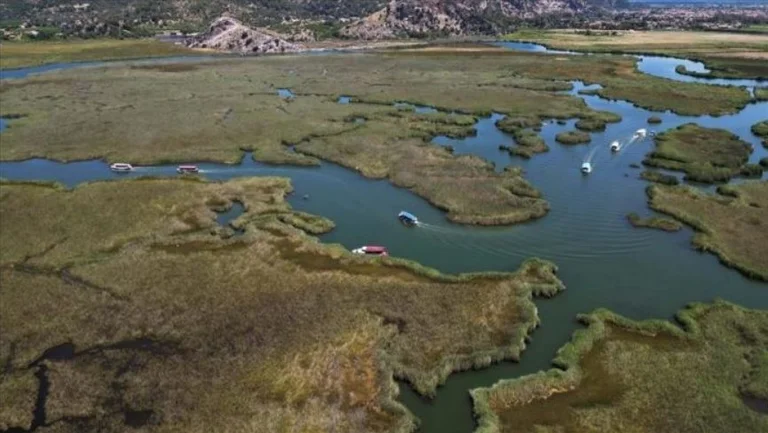
Large parts of Europe are rapidly losing fresh water, according to a large analysis of satellite data involving a period of more than two decades.
Scientists in “University College London”, in co-operation with “Watered Investments” and the newspaper “The Guardian”, found that the total amount of water has dropped significantly in southern and central Europe from Spain and Italy to Poland and parts of the United Kingdom.
Using satellites that detect tiny changes in Earth's gravitational field, researchers reached “balance” underground water, lakes, rivers, earth humidity, and glaciers.
The results show an increasingly divided continent: while northern and northwestern regions, including Scandinavian and parts of the United Kingdom and Portugal, have become weter, a large part of the south and southeast has suffered dramatic drying.
Climate change is evident in data, scientists say.
When comparing land water supply data with climate data groups, trends generally match”, Mohammad Shamsudduha, professor of water crisis and risk reduction at “University College London” said.
The underground water that is often considered more stable is also in decline.
The United Kingdom reflects the continent's widest imbalance.
By and large, the West is getting wet as the east is drying, and this signal is getting stronger and stronger”, Shamsudduha said.
He has warned that changes in rainfall patterns, including more torrential rains and longer periods of drought, can bring serious “sfides”, especially in southeast England, where about 70 percent of drinking water comes from underground water.
Throughout the EU, obtaining underground water (percent or forever) has increased by 6 percent since 2000, despite the decline in overall water use. The European Commission says its water sustainability strategy aims to help countries adapt, while net losses range from 8 to 57 percent.
Hidrologists warn that Europe is not acting fast enough. It's disturbing to look at this long-term”, Hannah Calle of the University of Readding said. “Spring and next summer, if we don't get the amount of rainfall we need, there will be serious consequences here in England”, she stressed.
She has warned that the new tanks will not solve the crisis on their own. We're just not doing these things at the right pace to keep going with these long-term trends”, he has declared Sloke.
Shamsudduha has said Europe must prepare for the effects of a drying climate, which can affect agriculture, ecosystems and even food imports. We have to admit that climate change is real, that it's happening and that it's affecting us”, he stressed./Periscopi/