17 minutes ago
Your toothbrush is full of bacteria
Periskopi(8 months ago)
(8 months ago)Bacteria from our toilets, herpes virus, and mold - causing peaks can breed in our toothbrushes. But there are ways to keep the toothbrush a little cleaner. Your toothbrush is a disgusting miniature ecosystem. Her torn hairs form a dry bush that [...]
Bacteria from our toilets, herpes virus, and mold - causing peaks can breed in our toothbrushes.
But there are ways to keep the toothbrush a little cleaner.
Your toothbrush is a disgusting miniature ecosystem.
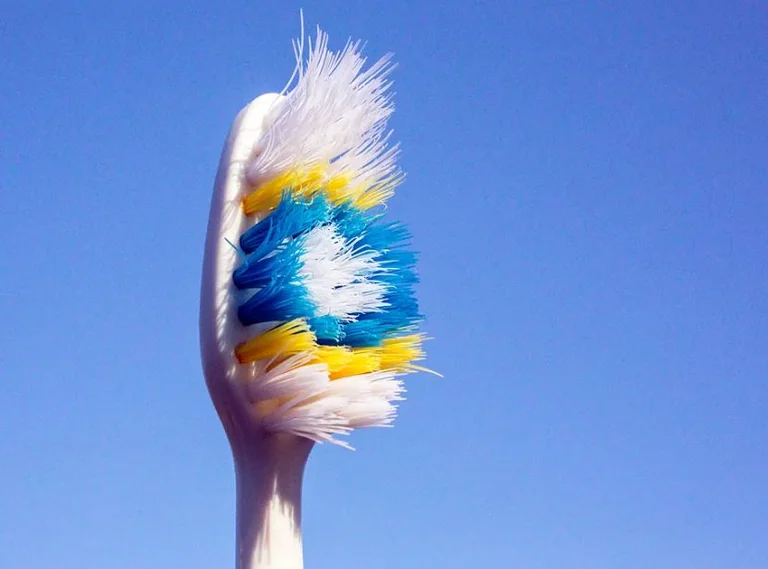
Its torn hairs form a dry bush that is temporarily flooded each day, transforming it into a ligament filled with nutrients.
Millions of organisms thrive among the high plastic - dance bushes.
Currently, your toothbrush is home to about 1-12 million bacteria and fungi belonging to hundreds of different species, along with countless viruses.
They form biological films on the surfaces of your brush or penetrate the broken stems of old hair.
A daily flow of water, salivas, skin cells, and traces of food from our mouth give these microbes everything they need to thrive.
From time to time, they join a rain of other microorganisms arriving at the disposal of a nearby toilet or opening a window.
And twice a day you put this nice cocktail in your mouth to mix it right.
So should you be more concerned about cleaning your toothbrush?
Where Germs Come From
“Microbes in the toothbrushes stem mainly from three sources”, says Marc-Kavi Zinn, a microbiologist at the Rhine-Wal University of Applied Sciences in Germany, who has studied microbic pollution of toothbrushes.
These are the mouth of the user, his skin, and the environment where the toothbrush is kept.
But before we first use a toothbrush, it can carry its own community of germs.
A study of 40 new toothbrushes by various manufacturers purchased from shops in Brazil, for example, revealed that half of them were already contaminated with a variety of bacteria./Periscopi/