22 minutes ago
Foods That Fight Anemia
Periskopi(8 months ago)
(8 months ago)Anemia is a disease affecting some 1.62 billion people in the world, a figure that according to data from the World Health Organization corresponds to 24.8 percent of the global population. This disease has to do with the limited amount of iron in the blood and therefore the weak supply of the body with oxygen. Anemia is caused [...]
This disease has to do with the limited amount of iron in the blood and therefore the weak supply of the body with oxygen.
Anemia is caused by a number of factors but can also be hereditary.
This disease is driven mainly by three problems: large blood loss, high self - destruction levels of red cells, and lower levels of their production.
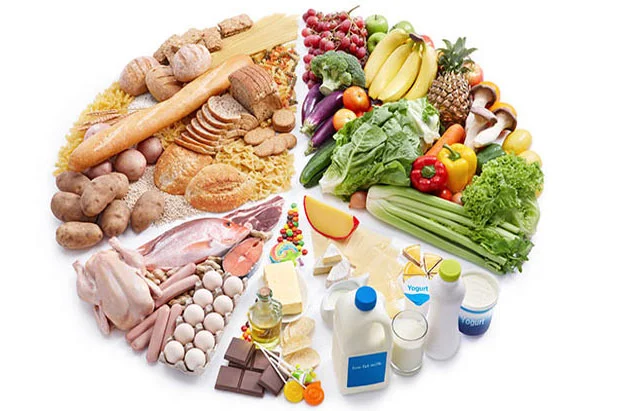
Below, find helpful information on foods that you need to consume to combat anemia and to be healthy simultaneously.
Anemia and Iron
Iron is an essential part of hemoglobin, a protein that transfers oxygen from the lungs to every corner of the organism.
According to reports, when iron is missing, red cells cannot transfer oxygen.
His absence causes fatigue, headaches, fragile nails, breathing difficulties, and others.
The recommended daily iron dose for women is from 15-18 milligrams.
For men this dosage varies between 8 and 11 milligrams.
Some of the finest iron foods are meat and eggs.
However, iron is also found in many plant - based foods, such as vegetables, eggplants, potatoes, and, above all, spinach.
Some of them are found and may be consumed regularly.
Legumet
Beans, lentils, and hair are too rich in iron but also with protein, fiber, fatty acid.
They also contain vitamins A, C, E, K, and B6.
A ration of cooked lenses throned 6 milligrams of iron.
A ration of raw red beans offers 15 milligrams of iron.
Terrors and Seeds
Terrors and seeds are key ingredients in many vegetarian and vegetarian food regimes.
The almond butter, for example, offers 9.3 milligrams of iron in one spoon.
potato
According to scientific data, a ration of sweet roasted potatoes offers 1.4 milligrams of iron.
A roasted potato with all its skin offers 3.2 milligrams of iron.
As you can see, most potato feeders are found in the skin.