18 minutes ago
How to Choose Quality Mandarines for Use
Periskopi(8 months ago)
(8 months ago)Mandarins are a favorite seasonal fruit, especially in the autumn, but often it is not easy to choose what will be sweet and tasty. Hence, there are some simple signs you need to pay attention to in order to select quality Mandarins at all times. First of all, the color of the bark can [...]
Hence, there are some simple signs you need to pay attention to in order to select quality Mandarins at all times.
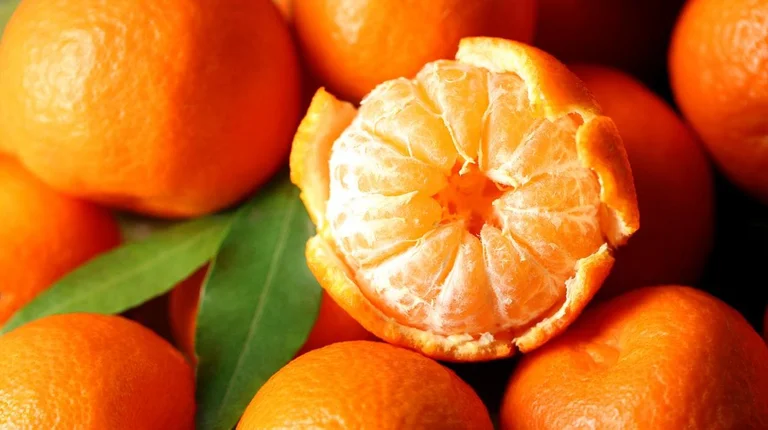
First of all, the color of the bark can reveal much about Mandarin maturity. A darker and uniform orange shell usually means that Mandarin is ripe and sweet, while the presence of a green may indicate that the fruit is not ripe enough or less fluid.
The weight of a Mandarin in proportion to its size is an important indicator because the heavier Mandarins are mostly full of juice, while the lighter ones have fewer tendons and more fibrous parts.
The bark's text reveals much about quality. A smooth, shiny shell is usually a sign of a ripe and liquid fruit, and a dry or wrinkled shell may mean that Mandarin is either ripe or dry. The shell must also be soft but flexible and easily separated, indicating that the interior is juicy and tasty. However, a very thin, sticky shell may mean that the fruit is less fluid.
In addition, an important detail is the scent of Mandarin. A sweet, intense fruit odor is a sign that the fruit is ripe and juicy.
Mandarins that do not have a pronounced aroma are not usually mature enough and will not have a full taste.
The size and size of the fruit are also important, since the slightly flat or oval tandarines tend to have more tend to have more tendons about their skin, while those that are very round sometimes may be less fluid. /Periscope/