23 minutes ago
Trump again declares Cuba a sponsor state of terrorism
Periskopi(a year ago)
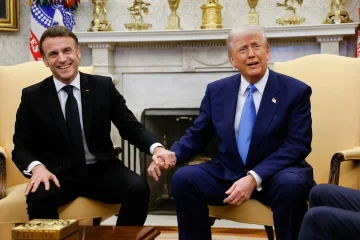
(a year ago)Newly sworn President Donald Trump on Monday annulled the last minute decision by the Biden Administration to remove Cuba from the United States list of sponsors of terrorism, the White House said. Just hours after his inauguration for a second term, Trump signed the so-called “empowerment” of the movement [...]
Just hours after his inauguration for a second term, Trump signed the so-called “empowerment” of the then president's movement Joe Biden on January 14th, who would have removed the definition of the Communist-dominated island as a sponsor nation of terrorism, broadcasts Telegrafi.
Trump's decision, amid dozens of revocations of those whom the White House considered harmful “ --x1> commands and actions by his Democrat predecessor -- actually keeps Cuba on a list on which the republican president himself placed Cuba at the end of his first term in 2021.
Beden's announcement last week, which was accompanied by Cuba's agreement on the release of more than 500 prisoners from her prisons, appeared to be aiming to reverse much of the sanctions imposed by Trump during his previous four years in office.
Cuban President Miguel Diaz-Canel responded to the social media late Monday, calling Trump's decision to revote Beden's measures a <x0 just mockery and abuse”.
Cuba, which has always staunchly denied any support for terrorism, had begun to free a small number of prisoners as part of a broader plan negotiated with the Vatican. But with Trump's decision, it was unclear whether those concessions would continue.
Cuba's removal from the terrorist list would have eased sanctions over an island that is already suffering a deep economic crisis.
According to a senior administration official, Beden had also revoted a 2017 Trump order restricting financial transactions with several Cuban entities linked to the military and government.
Furthermore, Beden last week tried to prevent individuals from getting indictments against Cuban subjects and foreign companies, according to the Helms-Burton Act on properties confiscated after Fidel Castro's revolution in 1959, the official said.
Last week, Cuba's government had called Beden's announcement a step in the appropriate “direction”, but accused the US of “economic warfare” continuing against the island, as the US trade embargo against Cuba in the Cold War era remained.
Many, if not all, of the freed prisoners last week were arrested in connection with the unprecedented antigovernmental protests that took place in July 2021, the biggest protests since Fidel Castro's revolution in 1959.
The US, the European Union and human rights groups had criticised Cuba's response to protests as depression and grave.