19 minutes ago
Israel says it will approve the truce until Hamas gives up the new demands
Periskopi(a year ago)
(a year ago)Israeli Prime Minister Benjamin Netanyahu has said Thursday that a “current crisis with Hamas is delaying the adoption of a long-awaited deal to stop fighting in the Gaza Strip and release dozens of hostages. Meanwhile, Israeli bombings have killed dozens of people Thursday in Gaza and [...]
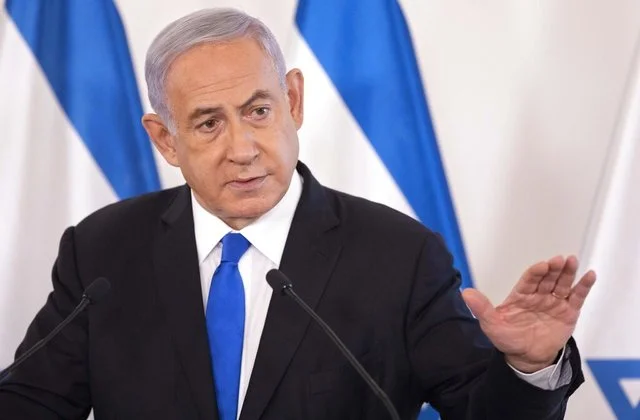
Israeli Prime Minister Benjamin Netanyahu has said Thursday that a “current crisis with Hamas is delaying the adoption of a long-awaited deal to stop fighting in the Gaza Strip and release dozens of hostages.
Meanwhile, Israeli bombings have killed dozens of people Thursday in war - torn Gaza.
Netanyah's office said the cabinet will not meet to approve the agreement until Hamas steps down after accusing the Palestinian group, declared by the US and EU, of violating part of the agreement in trying to win more concessions.
Izzat al-Rasq é senior Hamas official, said the militant group is “dedicated to the ceasefire agreement, which was disclosed by mediator”.
US President Joe Biden, and the leading mediator, Qatar, announced on Wednesday that the agreement was reached, which envisions the release of dozens of Israeli hostages in Gaza and the halting of the 15-month war that has plagued the Middle East and sparked protests worldwide.
Earlier, Netanyah's office accused Hamas of withdrawing from an earlier consensus that would enable Israel to decide which prisoners for murder could be released in exchange for hostages.
Netanyah has faced intense domestic pressure to return home dozens of hostages being held in Gaza, but extreme rightist partners in his coalition have threatened to tear down his government if he makes too much concessions.
Meanwhile, Israeli bombings during the last day have killed at least 48 people, according to the Ministry of Health in Gaza. About half of those killed were women and children, said the Associated Press Zaher al-Wehedi, head of the department for registration in the ministry.
What is known about the truce agreement?
Details of the deal have not yet been officially disclosed, but there is a mirror of what it will look like according to officials' comments and media reports based on the stemming drafts of the agreement.
In the first phase, a six-week ceasefire will begin, during which Israeli troops will slowly withdraw from the Gaza centre.
During this phase, Hamas will release 33 hostages who are expected to be mostly women, elderly and sick in exchange for Palestinians held in Israeli prisons.
Several hostages were released in November 2023 in exchange for 240 Palestinian prisoners. Hamas still holds 94 hostages, but Israel believes only 60 of them are still alive.
The displaced Palestinians as a result of the war will be allowed to return to their homes in the first phase of the agreement, while humanitarian aid will begin entering the Hamas-led enclave. Nearly all 2.3 million residents of Gaza were forced to flee their homes during the war.
Further negotiations on the second and third phase of the agreement will begin on the 16th day of implementation of the agreement, and analysts say this could be the first real challenge for the life expectancy of the ceasefire.
The second phase of the agreement includes the release of remaining hostages and, most importantly, the outcome of the war. / REL/