a minute ago
2024 was the end of Kosovars' isolation
Periskopi(a year ago)
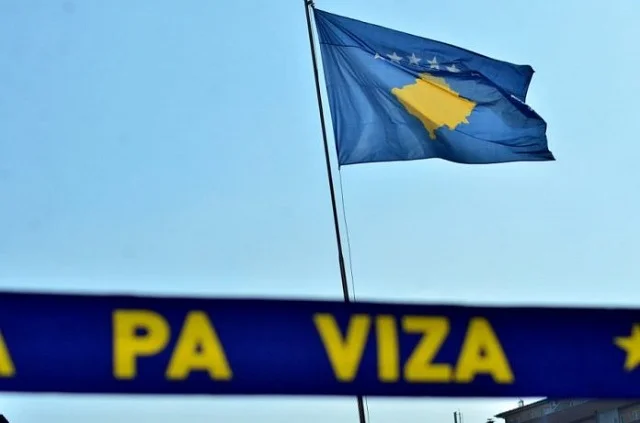
(a year ago)Visa liberalisation for Kosovo, which went into effect on the first day of the year we are leaving behind, marked the end of isolation several decades for its citizens. Now they are treated the same as other citizens of the region who had long forgotten the long wait before European embassies. Just a few [...]
Visa liberalisation for Kosovo, which went into effect on the first day of the year we are leaving behind, marked the end of isolation several decades for its citizens.
Now they are treated the same as other citizens of the region who had long forgotten the long wait before European embassies.
Just weeks after this event, Kosovo opened its doors to strengthening its citizenship, becoming a member of the Council of Europe. However, enthusiasm for the overwhelming approval in
The Parliamentary Assembly of the Council of Europe in April soon waned.
A month later, the Committee of Ministers of this organization decided to make exemption from common practices when the Assembly will is largely applied.
Kosovo was asked to hand over the draft Association of Serb-run municipalities to the Constitutional Court. Pristina's refusal made Kosovo not included in the agenda of the ministers' meeting, thus losing a historic opportunity.
The year 2024 was baptized as the year of “uper-election”: Besides the United States, elections were held in the European Union, where over 400 million citizens were eligible to vote. Even though a <x2->trics were expected with an increase in extreme cheese parties, traditional centre-left and right parties managed to keep the majority in the European Parliament.
The main posts in EU institutions are now run by new faces, while the European Commission president was re-elected to a new five-year mandate. Kosovo and other countries
The Western Balkans will now be treated by Kaya Kallas from Estonia, the new chief of European diplomacy, and Marta Kos from Slovenia, the commissioner for enlargement.
In NATO, the changes were equally significant. Mark Rutte, former prime minister of the Netherlands, was appointed to the helm of the organisation, replacing Jens Stoltenberg after a decade of successful leadership.
The process of normalising the reports with Serbia remained in stagnation. The invitation to a June meeting between Kosovo leaders and Serbia did not yield results, as Kosovo's prime minister refused a face-to-face meeting.
Dialogue ended in a state described as “klinically dead”. During the year, several meetings between the chief negotiators were held without reaching tangible results. The last meeting of 2024, however, brought modest progress: Kosovo and Serbia agreed to implement the declaration on the missing, adopted at the leadership level in 2023.
The results of European elections brought significant changes to the diplomatic scene. Politicians from the Baltic states, known for their harsh approach to Russian influence, took over Kosovo-related processes and dialogue.
Functioners from non-recognition states left the scene, while Miroslav Lajcak remained the last figure from the old facility. He continued communication with the public through social networks, while in January 2025, he is expected to leave the position of emissary for dialogue.
Despite the lack of high-level meetings and stagnation of the process, pressure on Kosovo for implementation of the Serb Majority Commission Association remained constant.
The dialogue emerged as the main obstacle to advancing Kosovo's integration agenda. Failure to enter the Council of Europe and the lack of addressing application for EU candidate status were direct consequences of disputes in the dialogue.
Meanwhile, Kosovo faced terrorist attacks and EU punitive measures, which -- even though called provisional -- remain in force for 18 months.