11 hours ago
Diabetes Comea: When and what symptoms this situation may be known

Periskopi(2 years ago)
(2 years ago)The diabetic coma is a life - threatening state, and a person who has fallen into a coma loses consciousness, cannot move, or react to the diabetes Comea environment is a life - threatening state of diabetes that has extremely irregular levels of blood sugar. So this complications threatens [...]
The diabetic coma is a life - threatening condition of people with diabetes who have extremely irregular levels of blood sugar.
So this complexity threatens when someone with diabetes has a very low blood sugar (hypoglychemya) or a very high level of sugar (hyperglychemia).
The characteristic of this condition is the loss of consciousness, and the signs of the diabetes coma are a change of mental state, unable to talk, vision problems, sleep, weakness, headaches and worry, it transmits Telegrafi.
When does a diabetes coma appear?
It is important for people with diabetes to regularly check their blood sugar levels and obtain their medications as described by their doctor.
Hyperglychemia, or hypoglychemia, can cause a diabetes coma that requires immediate medical assistance.
It may occur during a period when an abnormal level of blood sugar is not discovered for days or even weeks.
If you find yourself in the company of someone in need of help because of your diabetes coma, immediately call for first aid. A person in a diabetes coma is unconscious and cannot move or react to the environment. Doctors remind us that a coma can lead to long - term physical and psychological problems.
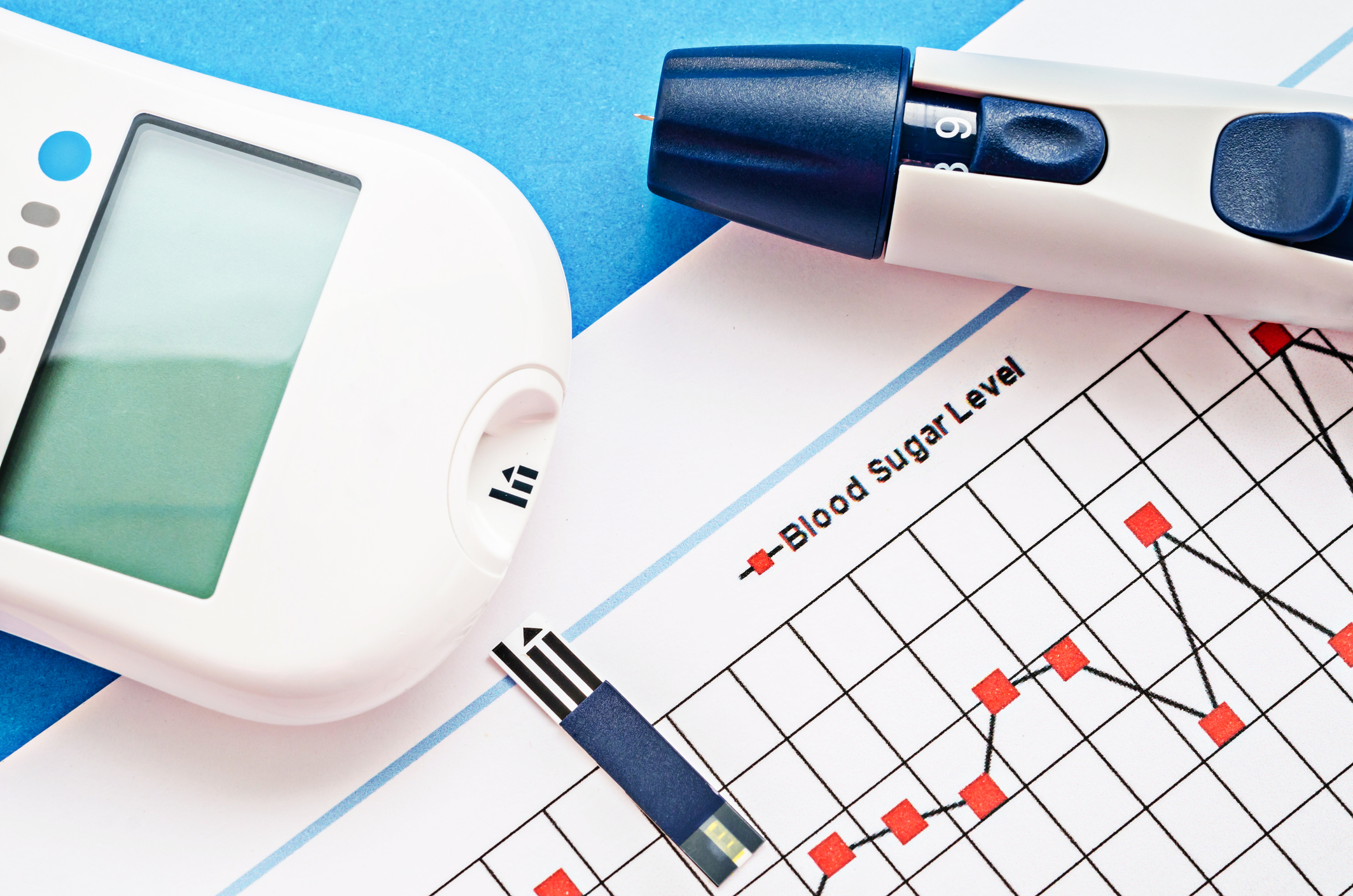
Causes of the Dysmetic Commentary
The diabetic coma may be caused by high or low blood sugar.
High blood sugar or hyperglycemia occurs when the body lacks sufficient insulin and has a lot of blood sugar. The different types of hyperglycemia are:
1. Katacidosis: Known as an emergency hyperglycemic situation that occurs when the body breaks down very quickly, the body cannot afford this process. When this happens, the liver converts fat into these, causing blood to become acid. The diabetes is more common among people with Type 1, and less common among people with Type 2.
2. Cancer hypersmolar syndrome (HHS): Known as extremely high blood sugar without these, it is considered a most common complexity among Type 2 patients that involves extreme dehydration, high blood glucose, and reduced vigilance.
Low blood sugar or hypoglychemia occurs when the body does not have enough glucose. If a person has diabetes, hypoglychemia can sometimes be a side effect of diabetes drugs. Glucose is an important factor for the body. The liver releases glucose as needed when blood sugar levels begin to decline. It is always important to consult your doctor to discover the cause of low blood sugar.

What are the symptoms of the diabetic coma?
endocrinologists point out that it is helpful to recognize the symptoms of both hyperglycemic and hypoglic communities because they change.
hyperglycemic compass signs
Before the hyperglycemic coma, one can feel the following symptoms of hyperglycemia:
▪ Unclear view
▪ Headaches
▪ Loss or weakness
▪ Frequent Urim
▪ Hunger and/or added thirst
When a hyperglycemic coma appears, one feels drowsiness that gets ever more intense, while other symptoms are:
▪ Dehydration
▪ Slow Pulse
▪ Theses.
When a hyperglycemic coma appears, a person will usually receive therapies involving insulin, electrolytic supplements such as phosphate, sodium, and potassium, as well as intravenous fluids.
Hipogicicm compost signs
The hypoglymic community can be preceded by symptoms of hypoglykee like:
▪ Vertigo
▪ Dithering
▪ Trouble in Speaking
▪ Short breathing
▪ Hunger
▪ Mixed
▪ Feelings of anxiety or weakness.
If a person falls into a hypoglicmic coma, he feels similar when it comes to fainting:
What exactly should you do when you discover that your blood sugar level is high?
These symptoms appear before you lose consciousness. If you don't react quickly, brain damage is possible. When a patient experiences a diabetes coma because of hypoglychemia, glucose is usually given. /Telegraphy/