10 hours ago
Common mistakes you make when cleaning your teeth
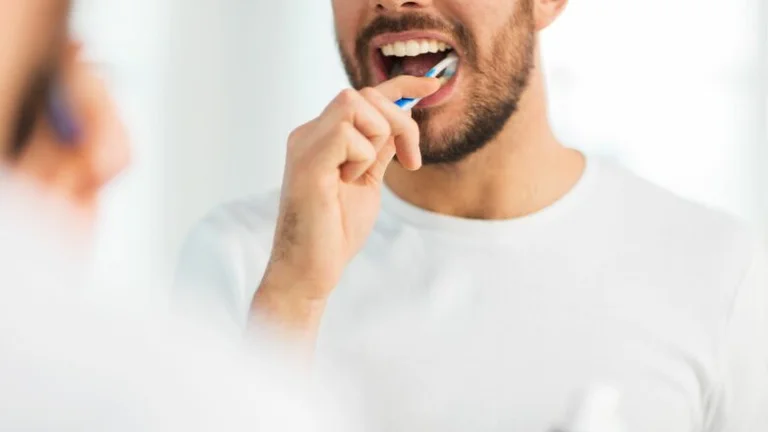
Periskopi(2 years ago)
(2 years ago)Maintaining oral hygiene is essential to a healthy smile and general well - being. It is not unusual for people to make mistakes when cleaning their teeth. Although you may have good intentions, some practices can be more harmful than useful to you. Ideally you can brush [...]
It is not unusual for people to make mistakes when cleaning their teeth. Although you may have good intentions, some practices can be more harmful than useful to you.
Ideally you can brush your teeth twice a day for two minutes each time, morning and before bedtime.
But what mistakes should you avoid when cleaning your teeth?
Ordinary Cleaning
The very aggressive brushing can damage the gums, especially if you use a hard - haired toothbrush. Overpowered washing can lead to the erosion of enamel, which is irreversible. Emal erosion can cause problems such as tooth sensitivity, tooth decay, and a higher risk of decay.
The aggressive washing may also irritate the tissue of gums, leading to fried, irritable, and swollen meats.
While it is important to brush your teeth, it is equally important to use a soft - hair toothbrush and exercise mild pressure. You don't need to be hard to remove the plate and keep your teeth clean, so be gentle.
Tooth brushing Right After Eating
brushing your teeth right after eating may seem like the best way to maintain oral hygiene, but it can actually damage your teeth.
Your tooth enamel is porpoise and can become softer after eating food or consuming certain drinks.
The American Stomatology Association (ADA) recommends waiting 30-60 minutes after a meal before cleaning your teeth.
No frequent brush change
It's essential to change the brush every few months.
When you use your toothbrush, your hair can be processed, so cleaning will be less effective and that it can affect tooth gum damage or gum tissue.
Aim to change the brush every three months, and keep an addition when it comes to changing it.
If you notice that the brush's fibers have been vilified a little earlier than three months, you may have used more than enough force.
You're not cleaning your tongue.
Many people do not realize how many bacteria there are in their language. There are 20 billion microbes in languages, and although not all are harmful, some can cause tooth decay and gum disease.
Not washing your tongue when you brush your teeth can lead to bad smell and even affect your taste.
Some people choose to use a language scratcher, which is a special tool designed to remove bacteria from the tongue, but that is not strictly necessary.
Using a toothbrush is usually enough to keep your tongue clean. /Telegraphy/