12 hours ago
A vitally important question, do you know which group your blood is?
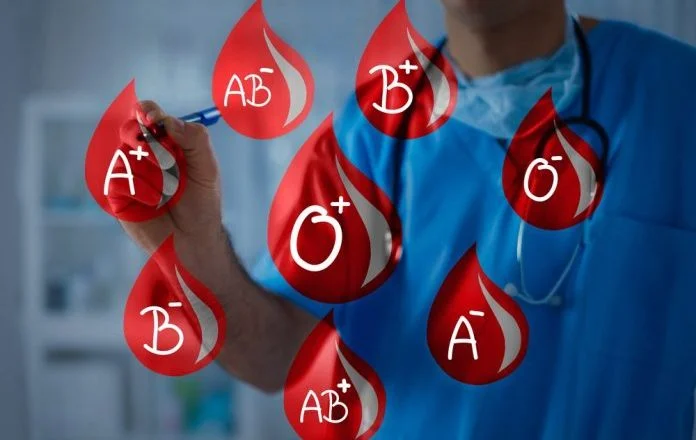
Periskopi(2 years ago)
(2 years ago)If you do not know which group your blood can be dangerous, especially if you have an accident and you need blood. The question about the blood type needs to know how to answer everybody. But only a few people know their own blood type, although it can save [...]
The question about the blood type needs to know how to answer everybody. But only a few people know their own blood type, although it can save their lives. For example, if someone is injured in an accident and knows what type of blood is involved in an accident, nurses, and doctors find it easier to arrange the right blood for transfusions as soon as possible because not every blood group is suitable for everyone.
Blood type inherited
Blood type is determined by genes, so it's hereditary. The So - Called System ABo (zero) divides human blood into four different blood groups: A, B, AB, and 0. In cases of blood donation, there should be the same group for both the donor and the recipient. If donated blood and blood recipients do not adapt, then blood can be blocked and have fatal consequences. So it's vital that everyone know his own blood type.
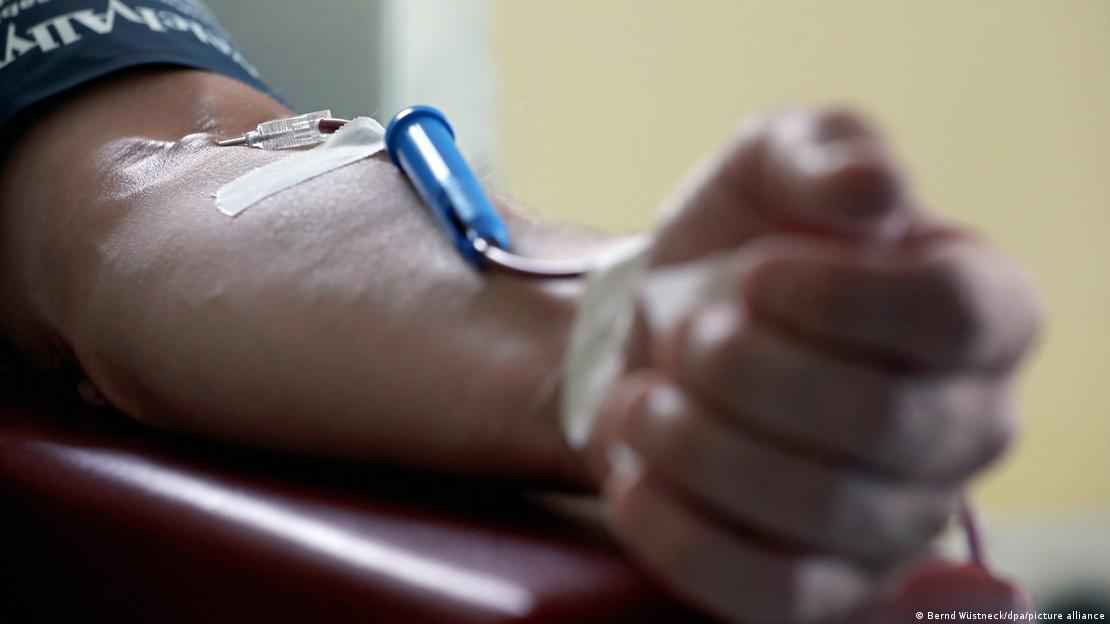
What blood groups fit into each other?
Group A of blood is most frequently encountered by about 43 percent. Second is type 0 of blood, the type that can be donated to all blood recipients. The B blood group has about 11 per cent of the population and AB only five per cent.
Blood type 0 is very popular. Anyone with a negative blood group is a universal donor, his blood can be used by all recipients. AB positive blood type is a universal recipient, so it accepts all kinds of blood. Before blood groups were discovered, it was a coincidence that a blood transfusion was performed without complications.
Antibodies and Antigens
An important factor is antibodies. These are proteins in the plazam. They are part of the body's natural protection, distinguishing foreign bodies such as germs, and setting the alarm on the immune system. As for the blood type, this means that antibodies produce blood cells against foreign bodies to recognize and fight them.
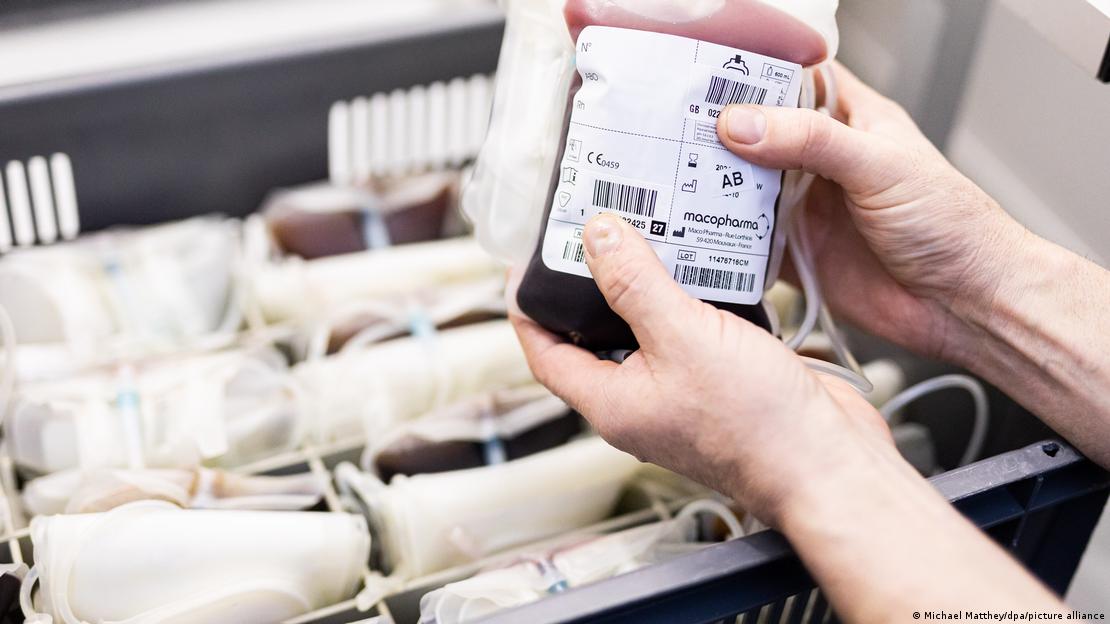
Antigens also play an important role. These are protein molecules on the surface of red blood cells. People with blood groups A have antigen A on the surface of erythrocytes. In Group B Antigen B. In the AB group, red blood cells have both antigens, they have no antigen.
The immune system creates the missing antibody antigen, respectively. People with blood groups A have anti-B antibodies and vice versa. People with AB blood types don't create antibodies. In group 0 of blood, there are antibodies, both against A and against B.
A positive or negative factor?
The second most important system for blood classification, behind the Abo system is the resus system. The resus factor involves “ant D” in red blood cells. Who owns this gene is a positive resume. Whoever doesn't have this antigen is a negative resus. The same as in blood groups, people with negative results create antiblood antibodies with positive resuss. These factors too are important during blood transfusions. About 85 per cent of the European population is positive resus. So the blood with the negative resus is in short when it comes to blood donation. / DW