11 hours ago
The recovery increases the risk of heart failure by almost 20%
Periskopi(2 years ago)
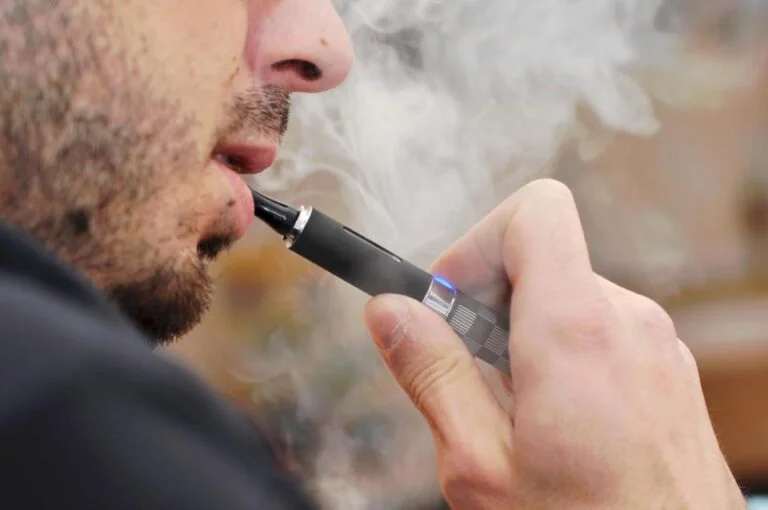
(2 years ago)A new study has linked heat vats that contain nicotine to the risk of heart failure. People who have used hots or electronic cigarettes at any moment in their life have a 19% higher chance of developing heart failure than people who have never used cigarettes. Scholars [...]
Researchers presented a new study at the Annual Scientific Conference of the American College of Cardiology on Tuesday, linking a growing heat threat and a kind of heart failure known as heart failure with the stored fraction of extraction ( HFpEF, writes the Health News source, records Schneta newspaper.
In the study, researchers looked at 175,667 people from the National Institute of Health (NIH), 60% of whom were females, at an average age of 52, over 45 months.
Of these participants, 3,242 developed heart failure within 45 months. Researchers found no other reason for heart failure, such as age, sex, or regular smoking.
HFpEF causes heart muscles to harden, preventing blood from filling its muscles between each beat.
HFpEF symptoms include:
Breathing.
A lack of breathing during rest.
A reduction in tolerance to exercise.
Playtime.
Sicles in the chest.
On your feet.
A 2017 study published in “American Family Physician” found that people with HFpEF who were hospitalised survived an average of 2.1 years. Approximately 75% of people with HFEPEF died within five years.
In 2020, 6.7 million Americans over 20 years of age experienced heart failure, according to “Journal of Cardic Failure”.
Half of the failing Americans have HFEPF, according to “Nature Reviews Cardiology”. Researchers predict that by 2030, the number of heart failure patients will be 8.5 million.
However, this is not the first time the heat is on the news. Electronic cigarettes are linked to the deterioration of blood pressure and heart rate, lung-related issues, DNA damage and sudden death.
University researchers Johns Hopkins discovered 2,000 chemicals in electronic cigarettes, which included industrial chemicals, a pesticide, and two perfumers associated with respiratory frustration. In 2020, there were 68 deaths, mostly teenagers and young ones, related to the heat.