26 minutes ago
DW: Ohrid Agreement officially part of EU-Serbia negotiations
Periskopi(2 years ago)
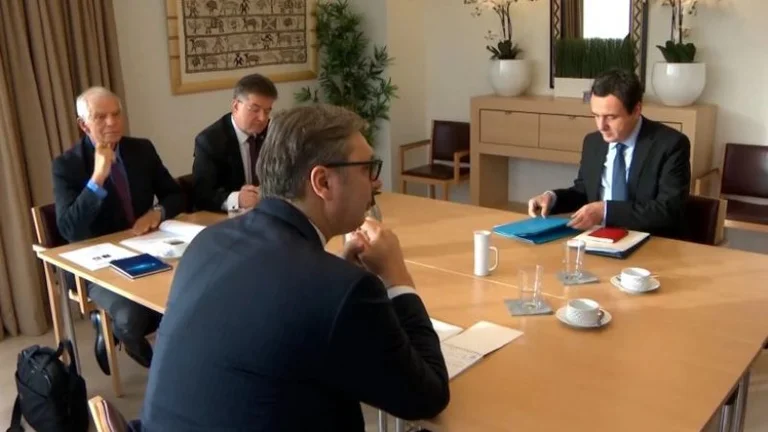
(2 years ago)Full implementation of the agreement on normalising relations with Kosovo that was reached last year in Ohrid, North Macedonia is now part of the 35th chapter for Serbia in its EU membership negotiations. This change of chapter 35 made the foreign ministers of European Union member states during a meeting [...]
Full implementation of the agreement on normalising relations with Kosovo that was reached last year in Ohrid, North Macedonia is now part of the 35th chapter for Serbia in its EU membership negotiations. This change of chapter 35 made it the foreign ministers of European Union member states during a meeting held in Luxembourg. There it was said that the position will be transmitted to Serbia by letter.
In the new text of the negotiating framework, Serbia stresses, that “fully implements the obligations that come out of the agreement on the road towards normalising relations with Kosovo, according to the Anex of its implementation, as agreed on March 18th, 2023”.
The Council of Ministers said the <x0papals (Kosovo and Serbia) have agreed that their respective obligations stemming from the agreement become integral part of their roads towards European integration”. There has still been no reaction from Belgrade authorities to the new EU negotiating framework for Serbia.
Ohrid Agreement and Freeze
In February of last year, Kosovo and Serbia agreed to a normalisation agreement, based on a plan known as the French-German initiative. A few days later on March 18th in Ohrid, North Macedonia, they also agreed with the roadmap to implement the agreement.
It requires good neighbourly relations between Kosovo and Serbia, recognition of documents and symbols and respect for sovereignty and each other's territorial integrity. The plan also envisions meeting all previously reached agreements in the European Union-brokered talks.
On October 27th of last year, French President Emmanuel Macron, German Chancellor Olaf Scholz and Italian Prime Minister Giorgia Meloni urged Kosovo to initiate the procedure for establishing the Association of Serb majority municipalities, while Serbia recognises Kosovo's de-phacto citizenship.
But during this period, Kosovo relations were particularly strained in the country's north with the Serb departure from the institutions, which culminated in the September 24th attack on Banjska, when a group of Serbs killed a Kosovo police officer. Northern Serbs in four municipalities -- Northern Mitrovica, Zvecan, Leposaviq and Zubin Potok -- also boycotted Sunday's referendum on April 21st to remove Albanian mayors from office. Organising this referendum was also the condition of the EU for official Pristina to expand the situation in the north. Kosovo was punished with setting up measures by the EU for its previously-coordinated actions.
Kosovo urges removal of punitive measures
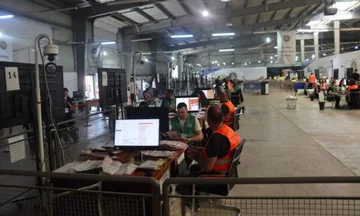
Although Serbs refused to participate in the referendum, Kosovo authorities urged the European Union to lift the punitive measures imposed last year. The Kosovo government called on the European Union on Monday to lift punitive measures, following meeting obligations to keep the voting process for the departure of mayors in the country's north.
With the conclusion of this process, regardless of the outcome, Kosovo has fulfilled its obligation to its citizens and the responsibility taken from agreeing with the European Union on extending the situation to the country's north”, said a government communiqué.
The European Union expressed regret that Kosovo Serbs in the north lost the chance to exercise their right to vote and elect mayors who would be their representatives.
The resolution does not contribute to easing tensions and paving the way for Serbs to return to Kosovo institutions”, the EU response said. Regarding the Kosovo government's call for the removal of punitive measures, according to EU spokesman Peter Stano, “Council will discuss the European Union's measures under a report by High Representative Josep Borrell on meeting EU requirements”. / DW/